Date of birth
June 26, 2009
AI Application Kit
Michael Nam
This index brings the planning work into one place: a 2027 application timeline, an 8-country map, detailed university profiles, a live application-tracking sheet, and document-style dossier formats for packet preparation.
4 core formats
Each one built to read like a prepared application document.
8 countries
The shortlist now spans the core set plus Belgium and the Netherlands / Sweden additions.
17 universities
Detailed profiles, comparisons, and fit notes across the full current list.
Projects
Standalone brochure-style project pages copied into this repo with their local assets.
Tracking sheet
Live Google Sheet for deadlines, documents, scholarship status, housing, and offers.
Glossary
Quick definitions for autumn vs winter semester, intake timing, offers, and core admissions terms.
Table of contents
Front-Loaded Admissions Analysis
Higher-ROI Lanes To Reopen
Countries In Scope
Bachelor Targets In Scope
Student-Life Lens
Route Beyond The Bachelor's: Master's and PhD
Credential Building Before The 2027 Cycle
Part-Time Jobs Around The Study Locations
Full-Study Budget Snapshot
Application Timing for a Student Finishing Grade 11 in June 2026
Concrete Timeline for This Student
Comprehensive Checklist From Now Until Admission
Singapore Bonded-Scholarship Deep Dive
Source Notes
Extra options
Use the Netherlands + Sweden checkbox where available to add the extra country and university options.
Student snapshot
Nguyen Gia Bao Nam
Built from the verified school-record folder: continuous Vinschool Hanoi history, grade 11 progression confirmed, and the clearest academic peak in grade 8.
School continuity
Vinschool, Hanoi from grade 1 through grade 10
Latest verified stage
Promoted to grade 11 after school year 2024-2025
Current industry exposure
Internship at 1Matrix, a blockchain company in the One Mount-Techcombank ecosystem
At a glance
Entry Cycle
2027
Current planning anchor for live applications.
Student Timing
Jun 2026 / Jun 2027
Grade 11 finish, then grade 12 finish.
Live Targets
17 universities
All bachelor-level or first-year-entry routes in the current list.
Country Scope
8 countries
Core shortlist plus Belgium and the Netherlands / Sweden additions.
Document Stack
4 core formats
Prepared as printable packet-style formats.
Low-Fee Base
Austria + Germany
Public-university affordability anchor.
Scholarship Layer
Finland / HK / France / Belgium
Keep only where funding logic is believable.
Early Window
Sep-Dec 2026
France and Hong Kong are the first active rounds.
Main Filing Month
Jan 2027
Aalto (THE 2026 global: =195), Tampere (THE 2026 global: 301-350), HKUST (THE 2026 global: =58), CUHK (THE 2026 global: =41), and Round 2 style filings.
After Diploma
Jun-Jul 2027
Austria and Germany become cleaner after final school documents.
Fee Warning
PSL (THE 2026 global: #48) €19,500
Official 2026/27 line for non-EU fiscal residence.
Extra options
Tick to add the Netherlands and Sweden options.
Front-Loaded Admissions Analysis
The shortlist should be read with one hard filter first: the student wants an English-taught bachelor's route that is either fully funded or structurally low-fee, and the academic identity should lean toward practical AI applications rather than pure mathematics for its own sake. That changes the order of preference before any prestige comparison starts.
Language
English-taught bachelor's
Keep only genuine bachelor's programmes taught in English.
Cost
Full scholarship or structurally low-fee
Prioritize routes with a believable 100% scholarship path or tuition that is already low.
Direction
Applied AI orientation
Prefer software, data, systems, and robotics over pure mathematics as the end identity.
1
Primary goal
Keep only bachelor-level programmes taught in English where either a 100% scholarship is realistic or the tuition level is already low enough to behave like a scholarship substitute.
2
Academic focus
Prefer routes that build software, data, systems, robotics, and applied machine-learning capability. Mathematics still matters, but mainly as support for real-world AI work rather than as the final identity of the degree.
3
Best structural fit
Austria and Germany are the cleanest base countries in this repo for the low-fee path because the affordability logic is built into the public-university system, not dependent on winning a rare merit award.
4
Scholarship-first group
Finland, Hong Kong, Belgium, and the France options can still stay in the shortlist, but they should be treated as scholarship-dependent or high-upside applications rather than the default affordability backbone. Belgium now stays in through one clean Thomas More + VLIRUOS route, while PSL (THE 2026 global: #48) still needs a much more explicit funding story because the official 2026/27 fee grid lists €19,500 for non-EU fiscal residence.
5
Execution rule
If a programme is English-medium and bachelor-level but carries high tuition without a believable full-funding route, it should rank behind Austria or Germany style options in the application stack.
6
Education-per-dollar check
The active dossier is optimized for English-medium 2027 bachelor's entry. That is a practical filter, but it is not identical to maximizing education per dollar across every possible route.
7
Higher-value lanes still exist
If pure return on education becomes the top objective, the first lanes to reopen are VinUniversity (QS 2024 global: 5 Stars) high-aid, Hungary's scholarship route, and the cheaper-bachelor then stronger-master sequence.
8
Proof is also a funding lever
Tests, projects, awards, recommenders, and clean documentation are not cosmetic. They are the levers that can move Finland, Hong Kong, Belgium, Singapore, and other scholarship-sensitive routes from fantasy toward real odds.
Planning consequence: keep the current shortlist in two layers, with low-fee public-university logic first and high-upside scholarship plays second. But do not confuse the current English-medium 2027 plan with the absolute best education-per-dollar design: if pure ROI rises above speed and simplicity, reopen VinUniversity (QS 2024 global: 5 Stars) high-aid, Hungary, and the bachelor-plus-master sequence.
Higher-ROI Lanes To Reopen
If the planning target shifts from the cleanest English-medium 2027 shortlist to pure education-per-dollar, these are the first lanes to reopen. They are not the default stack, but they are real and structurally meaningful.
VinUniversity (QS 2024 global: 5 Stars)
VinUniversity (QS 2024 global: 5 Stars) is a real domestic high-aid lane
VinUniversity (QS 2024 global: 5 Stars)'s current undergraduate scholarship page says students enrolling from 2025 to 2030 receive a 35% tuition subsidy for the full study period, merit scholarships range from 50% to 100% of tuition, and the President's Excellence Scholarship is a full ride covering tuition plus living expenses. Its current need-based aid page also says admitted students can apply for financial aid and that support can reach up to 100% of tuition.
Hungary
Stipendium Hungaricum stays the strongest scholarship-first reopen
The official 2026/27 Hungary programme keeps Vietnam eligible for full-degree bachelor's studies in any field. It covers tuition, HUF 43,700 per month, a dormitory place or HUF 40,000 per month accommodation support, and medical insurance, but it is still a contribution rather than a zero-cost guarantee and it requires both Tempus and ICD / MOET filing.
Sequence
Cheap bachelor first, stronger master's later remains a clean design
If the family optimizes for return rather than early prestige, a lower-cost computing or AI-adjacent bachelor's route followed by a stronger specialist master's is still one of the cleanest system designs. That keeps the first degree affordable while moving the sharper AI specialization to the stage where programme quality and scholarship logic may be easier to target.
Planning rule: keep these lanes visible as deliberate alternatives, not vague backups. VinUniversity (QS 2024 global: 5 Stars) is the clearest domestic high-aid option, Hungary is the clearest bilateral scholarship lane, and the bachelor-plus-master sequence is the cleanest structural ROI play.
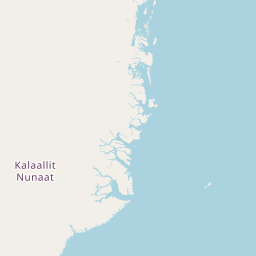


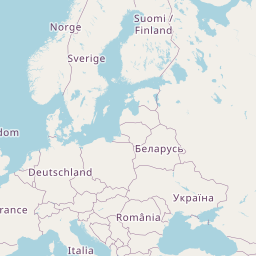



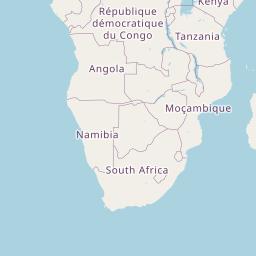

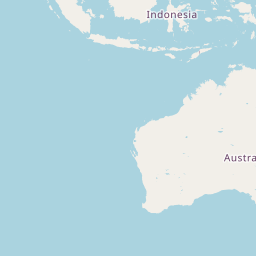
Austria
Linz / Klagenfurt / Vienna
DACH bridge
Finland
Espoo / Tampere
Nordic tech
France
Paris / Palaiseau
Research prestige
Belgium
Geel / Leuven
Benelux funding
Vietnam
Hanoi (Ocean Park)
Domestic high-aid
Hong Kong
Hung Hom / Hong Kong
Asia launchpad
Germany
Passau / Erlangen / Nuremberg / Munich
Industrial scale
Netherlands
Groningen / Nijmegen / Maastricht / Enschede
English-heavy gateway
Sweden
Stockholm / Visby / Uppsala
Nordic stretch
Singapore
Singapore
Bonded funding
Countries In Scope
The default view stays focused. Use the Netherlands + Sweden checkbox to add the extra country options.
Austria
Austria
Useful because tuition is relatively manageable and your notes already identify concrete English-language AI bachelor options.
Finland
Finland
Good scholarship logic, strong quality-of-life case, and credible English-language computing and AI-adjacent pathways.
France
France
Restricted here to English-taught options only, with a bias toward selective and academically strong programmes that justify scholarship-first effort.
Belgium
Belgium
Belgium is now active because one real full-scholarship route is verified through Thomas More plus VLIRUOS, while the wider country still offers workable English access.
Vietnam
Vietnam
undefined
Hong Kong
Hong Kong
Strong English-medium environment with unusually direct undergraduate AI routes at top universities, but the funding case has to be watched carefully.
Germany
Germany
The Germany section is bachelor-only as well, using clean undergraduate routes instead of master's-led AI branding and serving as one of the main low-fee benchmarks.
Netherlands
Netherlands
One of the cleanest expansion countries because it still offers several real English-medium bachelor routes in AI, computing, and data science.
Sweden
Sweden
A narrower expansion lane: excellent technical brands, but far fewer English-taught bachelor options than the Netherlands.
Bachelor Targets In Scope
Every entry below is bachelor-level or an integrated bachelor route that starts from first-year undergraduate entry. Use the Netherlands + Sweden checkbox to add the extra Dutch and Swedish routes.
Search
Filter by university, country, programme, or keyword.
Austria
Johannes Kepler University Linz (THE 2026 global: 401-500)
Directly aligned with your notes: a dedicated bachelor's degree in Artificial Intelligence offered in English.
Official page ↗Austria
University of Klagenfurt (THE 2026 global: 601-800)
One of the clearest Austria-based English bachelor options, with a dedicated Robotics and AI degree.
Official page ↗Austria
University of Vienna (QS consultant sheet global: #152)
undefined
Official page ↗Finland
Aalto University (THE 2026 global: =195)
Strong overall technical reputation and a direct bachelor-entry route in Data Science taught in English.
Official page ↗Finland
Tampere University (THE 2026 global: 301-350)
A real English-language bachelor route. It is not a pure AI degree, but it is a valid first-cycle path into AI-related study.
Official page ↗France
PSL University (THE 2026 global: #48)
The clearest France fit from your notes: a direct English-taught AI bachelor whose first cohort started in September 2025. It is real and newly launched, but the current official 2026/27 fee grid lists €19,500 for non-EU students, so it is not a tuition-free default route.
Official page ↗France
École Polytechnique (QS 2025 global / IP Paris: #46)
Not a pure AI bachelor. It is best viewed as a math-heavier launchpad that only makes sense if the family accepts a later move into applied AI, advanced computing, or graduate study.
Official page ↗Hong Kong
Hong Kong Polytechnic University (PolyU) (QS consultant sheet global: #54)
undefined
Official page ↗Hong Kong
HKUST (THE 2026 global: =58)
A real HKUST (THE 2026 global: =58) AI bachelor route, with the important nuance that students can choose the AI major after first-year department-based entry.
Official page ↗Hong Kong
CUHK (THE 2026 global: =41)
One of Hong Kong's strongest AI-specific undergraduate routes, with a dedicated engineering degree in AI systems and technologies.
Official page ↗Germany
University of Passau (THE 2026 global: 601-800)
A direct Germany bachelor option with a dedicated B.Sc. in Artificial Intelligence taught in English.
Official page ↗Germany
FAU Erlangen-Nürnberg (THE 2026 global: 201-250)
A clean bachelor-only Germany choice with strong AI, robotics, and autonomous systems coverage from day one.
Official page ↗Germany
Technical University of Munich (TUM) (QS consultant sheet global: #22)
undefined
Official page ↗Netherlands
University of Groningen (THE 2026 global: #82)
A real English-language AI bachelor with a broad mix of machine learning, robotics, language, cognition, and autonomous-systems work.
Official page ↗Netherlands
Radboud University (THE 2026 global: =154)
A direct AI bachelor in English with visible links to robotics, logic, psychology, and strong computing fundamentals.
Official page ↗Netherlands
Maastricht University (THE 2026 global: =131)
A Dutch route that makes the most sense for students who want data science plus AI inside Maastricht's small-group PBL system.
Official page ↗Netherlands
University of Twente (THE 2026 global: =190)
A practical technical-computing route in English. It is less direct than a pure AI degree, but very usable as a systems-heavy AI launchpad.
Official page ↗Sweden
KTH Royal Institute of Technology (THE 2026 global: =98)
The clearest Sweden add-on because KTH's Information and Communication Technology bachelor is the main English-taught technical route at this level.
Official page ↗Sweden
Uppsala University (THE 2026 global: #128)
A programming-heavy English route with a game-technology angle rather than a pure AI label, but still useful as an extra technical option.
Official page ↗Belgium
Thomas More University of Applied Sciences
Belgium's clean addition: an applied-computing bachelor in Geel with a real VLIRUOS full-scholarship lane for eligible countries, plus an AI-facing diploma path inside the degree.
Official page ↗Belgium
KU Leuven (QS consultant sheet global: #60)
undefined
Official page ↗Vietnam
VinUniversity (QS 2024 global: 5 Stars)
undefined
Official page ↗
No universities match the current search inside this view.
Real-data check as of March 26, 2026: the base list now stays at 11 real universities and real bachelor-level studies. The Netherlands + Sweden checkbox adds 6 more routes.
Student-Life Lens
These schools do not feel the same day to day. Some are residential and high-energy, some are quiet and self-directed, and some are more city-shaped than campus-shaped. That difference should influence the shortlist almost as much as tuition or the AI label.
Hong Kong
Fast residential energy
HKUST (THE 2026 global: =58) and CUHK (THE 2026 global: =41) are the easiest places in this shortlist to land in an English-usable campus community quickly. They suit students who want hall life, societies, and strong daily momentum.
Finland
Quiet, self-directed study culture
Aalto (THE 2026 global: =195) and Tampere (THE 2026 global: 301-350) fit students who like low hierarchy, strong libraries, and a lot of self-managed study. Social life is real, but it rewards initiative more than passive participation.
Small-city Europe
Human-scale and manageable
Passau (THE 2026 global: 601-800), Klagenfurt (THE 2026 global: 601-800), and JKU Linz (THE 2026 global: 401-500) are easier to imagine day to day for a student who wants a calmer city, shorter distances, and less social overload.
Paris split
City-intellectual versus enclosed elite campus
PSL (THE 2026 global: #48) feels like Paris first and campus second. École Polytechnique (QS 2025 global / IP Paris: #46) feels like the reverse: a contained, residential, elite academic environment.
Study spaces
Library culture is a real differentiator
Aalto (THE 2026 global: =195), HKUST (THE 2026 global: =58), CUHK (THE 2026 global: =41), JKU Linz (THE 2026 global: 401-500), and Passau (THE 2026 global: 601-800) stand out for serious study-space infrastructure. That matters for a student whose real life will be built around long hours of focused work.
Quiet self-studier
Best fits for a calm, internally driven student
Aalto (THE 2026 global: =195), Tampere (THE 2026 global: 301-350), Passau (THE 2026 global: 601-800), and JKU Linz (THE 2026 global: 401-500) are the cleanest matches if the student does best with quiet structure, strong libraries, and less socially loud daily life.
Maker / builder
Best fits for projects, labs, and hands-on technical momentum
Aalto (THE 2026 global: =195), HKUST (THE 2026 global: =58), Klagenfurt (THE 2026 global: 601-800), Passau (THE 2026 global: 601-800), and FAU (THE 2026 global: 201-250) are the most convincing environments for a student who wants to keep building things, not just taking classes.
Elite intensity
Best fits for prestige plus academic pressure
École Polytechnique (QS 2025 global / IP Paris: #46), PSL (THE 2026 global: #48), and Aalto (THE 2026 global: =195) are the clearest options if the student wants a more demanding, more selective, and more identity-shaping academic environment.
Planning rule: do not compare these routes only by tuition or AI label. Compare them by how the student will actually live, study, make friends, and recover energy each week. There is no single best vibe here; there are different best fits for different student types.
Route Beyond The Bachelor's: Master's and PhD
This repo should treat the bachelor's degree as the first build stage, not the final academic identity. The practical objective is to leave the bachelor with strong engineering, software, data, or robotics ability, then specialize harder at master's level and only move to PhD if the student later proves genuine research fit.
Bachelor
Use the bachelor's stage to build applied AI capability
The bachelor's degree should optimize for coding depth, systems thinking, data handling, engineering practice, and real-world project work. Pure mathematics remains useful, but as a tool layer beneath practical AI applications rather than the center of the student's profile.
Master's
Master's is the real specialization step
The master's is where the student can narrow into AI systems, machine learning, robotics, autonomous systems, data science, health AI, education technology, or another concrete domain. This is the cleanest place to sharpen the profile after a broader or more affordable bachelor route.
PhD
PhD only makes sense after real research traction appears
A PhD should not be treated as an automatic prestige upgrade. It becomes rational only if the student later has a strong thesis, lab fit, research questions worth pursuing, and evidence that he prefers long-cycle problem solving over purely industry-first work.
Sequence
Low-fee or practical bachelor first, stronger lab ecosystem later
The clean sequencing logic is often: affordable or applied bachelor first, then a stronger specialist master's, then PhD only if the research signal stays strong. That sequence is more realistic than over-optimising the first degree for theory-heavy branding.
Planning stance: the bachelor decision should maximize affordability, practical training, and future optionality. Treat master's as the main specialization layer and PhD as a later decision earned by research performance, not assumed in advance.
Credential Building Before The 2027 Cycle
This repo should not rely on grades alone. If the student is aiming at practical AI routes, the admissions proof stack should show technical build ability, selective performance, real initiative, and at least some contact with genuine engineering or research work before applications go out.
Competitions
Use competitions to create selective signal
Pick a limited number of credible mathematics, informatics, robotics, AI, or hackathon-style competitions and aim for results that can be ranked, dated, and documented. A few strong outcomes matter more than long participation lists.
Projects
Build 3 to 5 serious AI or software projects
Each project should solve a real problem, have a clean README, show the technical stack, include screenshots or demos, and make it obvious what the student actually implemented rather than just copied.
GitHub
Turn GitHub into readable admissions evidence
Public repositories should look deliberate: pinned flagship repos, meaningful commit history, short project summaries, experiment notes, and enough documentation that a teacher, consultant, or admissions reader can understand the work quickly.
Internships
Get real company or lab exposure early
A short internship, supervised lab task, startup placement, or research-assistant style role can be powerful if it produces a mentor name, a deliverable, a dated timeline, and a clear explanation of what the student contributed.
Narrative
Make the credentials point in one direction
Competitions, GitHub work, internships, tutoring, club leadership, and volunteer teaching should reinforce one believable story: a quantitative student who builds practical AI systems and wants to apply them to useful real-world problems.
Execution rule: admissions value coherent proof. Fewer stronger credentials with links, screenshots, rankings, references, and real outputs will beat a crowded list of weak or unverifiable activities.
| Credential lane | What to build | Proof to keep | Why it matters |
|---|---|---|---|
| Competitions and olympiads | Target 2 to 4 high-signal competitions across mathematics, informatics, AI, robotics, data, or serious hackathons. | Certificates, rankings, team role, problem statements, project submission links, and screenshots. | Shows selective performance, technical stamina, and evidence that the student can perform under pressure rather than only in class. |
| AI GitHub stack | Create 3 to 5 public repositories, with at least 1 flagship AI project and 1 practical systems or data pipeline project. | Pinned repos, README files, commit history, demo video, screenshots, notebook outputs, and short write-ups of lessons learned. | Makes the student legible as a builder and gives admissions readers concrete technical evidence beyond self-description. |
| Internships or lab work | Seek one meaningful technical placement, summer project, mentor-guided research task, or company internship before major applications are submitted. | Offer email, supervisor name, timeline, final output, recommendation line, or a short project summary signed off by a mentor. | Signals maturity, real-world execution, and the ability to work inside an engineering or research environment. |
| Leadership and service | Use AI club work, tutoring, workshops, or outreach to show that technical strength also turns into initiative and contribution. | Event posters, attendance numbers, lesson materials, photos, student feedback, and role descriptions. | Strengthens scholarships and gives the profile human range instead of reading like grades plus code only. |
| Application-ready documentation | Keep one organized evidence folder for every serious activity from now to the 2027 cycle. | Dates, links, mentor names, certificates, screenshots, PDFs, translated notes, and one-sentence impact summaries. | Prevents strong work from becoming unusable later because the proof is missing, scattered, or impossible to verify. |
Planning stance: from now until applications, the student should be building a credential stack on purpose. The target is not to look busy; it is to leave grade 12 with a small number of credible, documented, technically serious achievements that make the practical-AI story believable.
Part-Time Jobs Around The Study Locations
Part-time work should be treated as part of the degree strategy, not just as survival income. The best jobs are the ones that keep compounding the student's AI, software, data, robotics, or quantitative profile while also producing references, code, deliverables, or project proof.
Local
Prefer local jobs that match the degree
The first filter should be simple: can this job strengthen software, data, automation, robotics, tutoring, or research ability? If yes, it is much more valuable than generic part-time work at the same hour count.
Remote
Use remote work for technical continuity
Remote jobs are strongest when they produce code, dashboards, notebooks, automation scripts, research summaries, or tutoring proof that can later be shown in a portfolio packet or interview.
On-campus
When language is a barrier, start with campus-adjacent roles
Student assistant roles, lab support, course tutoring, startup incubators, and university-linked project work are often the cleanest bridge when the student is still building local-language confidence.
Rule
Do not let part-time work erase the technical story
If a non-technical job becomes necessary for cash flow, the student should still keep one technical project, tutor lane, lab role, or GitHub build thread active so the admissions and career signal does not collapse.
Planning rule: prefer jobs that create reusable proof such as code, reports, demos, references, dashboards, tutoring materials, or mentor-backed outputs.
| City / study location | Local jobs to target | Remote jobs to prefer | Why this fits |
|---|---|---|---|
| Linz | Working-student software testing, automation support, data cleanup for industrial analytics, university lab help, or technical tutoring. | Python automation, dashboards, data wrangling, math or programming tutoring, and small engineering tools for startups or student teams. | Linz already fits AI plus industrial systems, so even QA, automation, or analytics support compounds the degree better than generic retail work. |
| Klagenfurt (THE 2026 global: 601-800) | Robotics lab support, embedded software testing, sensor-data collection, technical tutoring, or student IT roles. | Computer-vision data preparation, robotics simulation scripts, Python automation, and remote STEM tutoring. | The Robotics and AI route benefits most from hardware-adjacent and systems-adjacent work, even when the part-time role is modest in title. |
| Espoo | Startup software engineering, product analytics, research assistant roles around Aalto (THE 2026 global: =195) and Otaniemi, ML data tooling, or course assistant work. | Remote data engineering, AI prototype building, open-source contributions, technical tutoring, and experiment notebooks. | Espoo and Greater Helsinki reward student builders who can code, ship, test ideas, and work comfortably with data. |
| Tampere (THE 2026 global: 301-350) | Embedded systems testing, industrial automation support, data-analysis tasks, university lab roles, or coding tutor work. | Backend tools, dashboards, ML preprocessing, electronics-adjacent scripting, and remote mathematics or programming tutoring. | A computing and electrical-engineering route compounds well through practical systems, industrial software, and applied data work. |
| Paris / Palaiseau | Research support, startup prototyping, coding for edtech or healthtech projects, data analysis, or campus-lab assistance; stronger French opens more doors. | Python notebooks, technical writing, AI demos, remote tutoring, research summarization, and small software prototypes. | The France options become much stronger when academics connect to labs, prototypes, and applied project evidence rather than staying purely theoretical. |
| Hong Kong | Fintech data work, software engineering intern roles, research-assistant work, product analytics, or startup AI support in an English-friendly environment. | Dashboards, feature engineering, full-stack feature work, LLM evaluation with coding, and remote tutoring in programming or math. | Hong Kong is one of the cleanest places in this repo for English-medium AI-adjacent part-time work that still feels close to the degree. |
| Passau (THE 2026 global: 601-800) | Working-student software development, data engineering support, NLP or AI research help, enterprise IT support, or technical tutoring. | Backend scripting, data cleaning, open-source contributions, remote automation tools, and tutoring with code examples. | Passau (THE 2026 global: 601-800)'s AI degree pairs well with software and data roles even if the city itself is quieter than larger metros. |
| Erlangen | Autonomy or robotics working-student roles, industrial AI support, computer-vision tasks, embedded systems help, or engineering IT work. | Simulation tooling, ML experiments, code maintenance, dashboards, and mathematics or programming tutoring. | FAU (THE 2026 global: 201-250)'s autonomy and systems profile matches part-time work in serious engineering environments better than generic student service jobs. |
Compliance rule: every real job still has to respect local student work-hour, visa, tax, and language conditions. Remote work is not a loophole; it still has to fit the rules where the student is living.
Full-Study Budget Snapshot
This is the missing planning view for the family: each row says which university, which study route, how long it runs, and the rough total budget for the full study rather than just a single year.
Budget ranges below are pre-scholarship planning estimates. They combine the country living-cost guidance already cited in this repo with route-level tuition or semester-fee assumptions, using the current repo sources checked on March 24, 2026.
These charts keep each route in its native currency and group the comparisons by currency, so the with-scholarship and no-scholarship numbers stay directly readable instead of hiding exchange-rate noise.
Cost Comparison Charts
Euro routes
No scholarship
With scholarship
Lighter tail = upper end of the range
Johannes Kepler University Linz (THE 2026 global: 401-500)
B.A. / B.Sc. Artificial Intelligence
3 years (6 semesters)
Low-fee public route. Living costs matter more than tuition.
University of Klagenfurt (THE 2026 global: 601-800)
B.Sc. Robotics and Artificial Intelligence
3 years (6 semesters)
Low-fee public route. Living costs matter more than tuition.
University of Vienna (QS consultant sheet global: #152)
B.Sc. Computer Science
3 years (6 semesters)
Low-fee public route. Living costs matter more than tuition.
Aalto University (THE 2026 global: =195)
Data Science (Bachelor + Master route)
5 years total (3-year bachelor's + 2-year master's route)
This is a 3+2 route, so the total intentionally covers both bachelor and master study.
Tampere University (THE 2026 global: 301-350)
Computing and Electrical Engineering, Science and Engineering
3 years (6 semesters)
Finland tuition route. Scholarship outcomes can change this number materially.
PSL University (THE 2026 global: #48)
International Bachelor of Science in Artificial Intelligence
3 years (6 semesters)
Paris living costs and programme tuition both bite. Treat as scholarship-first.
École Polytechnique (QS 2025 global / IP Paris: #46)
Bachelor track in Mathematics and Computer Science
3 years (6 semesters)
Elite Paris pricing. Funding support changes the total materially.
University of Passau (THE 2026 global: 601-800)
B.Sc. Artificial Intelligence
3 years (6 semesters)
German public route. The budget is mostly living cost plus semester contributions.
FAU Erlangen-Nürnberg (THE 2026 global: 201-250)
B.Sc. Autonomy Technologies
3 years (6 semesters)
German public route. The budget is mostly living cost plus semester contributions.
Technical University of Munich (TUM) (QS consultant sheet global: #22)
B.Sc. Informatics
3 years (6 semesters)
International-fee route in continental Europe. Tuition and housing both matter materially.
University of Groningen (THE 2026 global: #82)
B.Sc. Artificial Intelligence
3 years (6 semesters)
Dutch international-fee route. English access is good, but tuition and housing both matter.
Radboud University (THE 2026 global: =154)
B.Sc. Artificial Intelligence
3 years (6 semesters)
Dutch international-fee route. English access is good, but tuition and housing both matter.
Maastricht University (THE 2026 global: =131)
B.Sc. Data Science and Artificial Intelligence
3 years (6 semesters)
Dutch international-fee route. English access is good, but tuition and housing both matter.
University of Twente (THE 2026 global: =190)
B.Sc. Technical Computer Science
3 years (6 semesters)
Dutch international-fee route. English access is good, but tuition and housing both matter.
Thomas More University of Applied Sciences
B.Sc. Applied Computer Science (Digital Innovation / AI pathway)
3 years (6 semesters)
Belgium route with one real full-scholarship lane through VLIRUOS. Without that scholarship, tuition still matters.
KU Leuven (QS consultant sheet global: #60)
Bachelor of Engineering Technology (Computer Science track later in the route)
3 years (6 semesters)
International-fee route in continental Europe. Tuition and housing both matter materially.
| University / Programme | No scholarship | With scholarship | Scholarship savings | Planning read |
|---|---|---|---|---|
|
Johannes Kepler University Linz (THE 2026 global: 401-500) B.A. / B.Sc. Artificial Intelligence 3 years (6 semesters) |
€51,000 to €57,000 About €17,000 to €19,000 per year |
€46,500 to €52,500 €15,500 to €17,500 |
€0 to €10,500 | Low-fee public route. Living costs matter more than tuition. |
|
University of Klagenfurt (THE 2026 global: 601-800) B.Sc. Robotics and Artificial Intelligence 3 years (6 semesters) |
€49,500 to €55,500 About €16,500 to €18,500 per year |
€45,000 to €51,000 €15,000 to €17,000 |
€0 to €10,500 | Low-fee public route. Living costs matter more than tuition. |
|
University of Vienna (QS consultant sheet global: #152) B.Sc. Computer Science 3 years (6 semesters) |
€36,900 to €47,700 About €12,300 to €15,900 per year |
€32,400 to €43,200 €10,800 to €14,400 |
€0 to €15,300 | Low-fee public route. Living costs matter more than tuition. |
|
Aalto University (THE 2026 global: =195) Data Science (Bachelor + Master route) 5 years total (3-year bachelor's + 2-year master's route) |
€115,000 to €132,500 About €23,000 to €26,500 per year |
€45,000 to €62,500 €9,000 to €12,500 |
€52,500 to €87,500 | This is a 3+2 route, so the total intentionally covers both bachelor and master study. |
|
Tampere University (THE 2026 global: 301-350) Computing and Electrical Engineering, Science and Engineering 3 years (6 semesters) |
€67,500 to €78,000 About €22,500 to €26,000 per year |
€52,500 to €63,000 €17,500 to €21,000 |
€4,500 to €25,500 | Finland tuition route. Scholarship outcomes can change this number materially. |
|
PSL University (THE 2026 global: #48) International Bachelor of Science in Artificial Intelligence 3 years (6 semesters) |
€84,000 to €102,000 About €28,000 to €34,000 per year |
€25,500 to €43,500 €8,500 to €14,500 |
€40,500 to €76,500 | Paris living costs and programme tuition both bite. Treat as scholarship-first. |
|
École Polytechnique (QS 2025 global / IP Paris: #46) Bachelor track in Mathematics and Computer Science 3 years (6 semesters) |
€90,000 to €108,000 About €30,000 to €36,000 per year |
€32,400 to €50,400 €10,800 to €16,800 |
€39,600 to €75,600 | Elite Paris pricing. Funding support changes the total materially. |
|
University of Passau (THE 2026 global: 601-800) B.Sc. Artificial Intelligence 3 years (6 semesters) |
€33,000 to €43,500 About €11,000 to €14,500 per year |
€33,000 to €43,500 €11,000 to €14,500 |
€0 to €10,500 | German public route. The budget is mostly living cost plus semester contributions. |
|
FAU Erlangen-Nürnberg (THE 2026 global: 201-250) B.Sc. Autonomy Technologies 3 years (6 semesters) |
€34,500 to €45,000 About €11,500 to €15,000 per year |
€34,500 to €45,000 €11,500 to €15,000 |
€0 to €10,500 | German public route. The budget is mostly living cost plus semester contributions. |
|
Technical University of Munich (TUM) (QS consultant sheet global: #22) B.Sc. Informatics 3 years (6 semesters) |
€48,000 to €68,400 About €16,000 to €22,800 per year |
€48,000 to €68,400 €16,000 to €22,800 |
€0 to €20,400 | International-fee route in continental Europe. Tuition and housing both matter materially. |
|
University of Groningen (THE 2026 global: #82) B.Sc. Artificial Intelligence 3 years (6 semesters) |
€100,500 to €109,500 About €33,500 to €36,500 per year |
€100,500 to €109,500 €33,500 to €36,500 |
€0 to €9,000 | Dutch international-fee route. English access is good, but tuition and housing both matter. |
|
Radboud University (THE 2026 global: =154) B.Sc. Artificial Intelligence 3 years (6 semesters) |
€91,500 to €100,500 About €30,500 to €33,500 per year |
€91,500 to €100,500 €30,500 to €33,500 |
€0 to €9,000 | Dutch international-fee route. English access is good, but tuition and housing both matter. |
|
Maastricht University (THE 2026 global: =131) B.Sc. Data Science and Artificial Intelligence 3 years (6 semesters) |
€96,000 to €103,500 About €32,000 to €34,500 per year |
€96,000 to €103,500 €32,000 to €34,500 |
€0 to €7,500 | Dutch international-fee route. English access is good, but tuition and housing both matter. |
|
University of Twente (THE 2026 global: =190) B.Sc. Technical Computer Science 3 years (6 semesters) |
€90,000 to €96,000 About €30,000 to €32,000 per year |
€90,000 to €96,000 €30,000 to €32,000 |
€0 to €6,000 | Dutch international-fee route. English access is good, but tuition and housing both matter. |
|
Thomas More University of Applied Sciences B.Sc. Applied Computer Science (Digital Innovation / AI pathway) 3 years (6 semesters) |
€57,000 to €66,000 About €19,000 to €22,000 per year |
€0 to €3,000 €0 to €1,000 |
€54,000 to €66,000 | Belgium route with one real full-scholarship lane through VLIRUOS. Without that scholarship, tuition still matters. |
|
KU Leuven (QS consultant sheet global: #60) Bachelor of Engineering Technology (Computer Science track later in the route) 3 years (6 semesters) |
€54,300 to €66,300 About €18,100 to €22,100 per year |
€54,300 to €66,300 €18,100 to €22,100 |
€0 to €12,000 | International-fee route in continental Europe. Tuition and housing both matter materially. |
Hong Kong dollar routes
No scholarship
With scholarship
Lighter tail = upper end of the range
Hong Kong Polytechnic University (PolyU) (QS consultant sheet global: #54)
B.Sc. in Computing / Computer Science
4 years (8 semesters)
Non-local Hong Kong tuition plus housing is the main cost driver.
HKUST (THE 2026 global: =58)
BEng in Artificial Intelligence
4 years (8 semesters)
Non-local Hong Kong tuition plus housing is the main cost driver.
CUHK (THE 2026 global: =41)
B.Eng. in Artificial Intelligence: Systems and Technologies
4 years (8 semesters)
Non-local Hong Kong tuition plus housing is the main cost driver.
| University / Programme | No scholarship | With scholarship | Scholarship savings | Planning read |
|---|---|---|---|---|
|
Hong Kong Polytechnic University (PolyU) (QS consultant sheet global: #54) B.Sc. in Computing / Computer Science 4 years (8 semesters) |
HK$1,184,000 to HK$1,376,000 About HK$296,000 to HK$344,000 per year |
HK$1,184,000 to HK$1,376,000 HK$296,000 to HK$344,000 |
HK$0 to HK$192,000 | Non-local Hong Kong tuition plus housing is the main cost driver. |
|
HKUST (THE 2026 global: =58) BEng in Artificial Intelligence 4 years (8 semesters) |
HK$1,040,000 to HK$1,180,000 About HK$260,000 to HK$295,000 per year |
HK$317,000 to HK$374,000 HK$79,250 to HK$93,500 |
HK$666,000 to HK$863,000 | Non-local Hong Kong tuition plus housing is the main cost driver. |
|
CUHK (THE 2026 global: =41) B.Eng. in Artificial Intelligence: Systems and Technologies 4 years (8 semesters) |
HK$1,000,000 to HK$1,160,000 About HK$250,000 to HK$290,000 per year |
HK$248,000 HK$62,000 |
HK$752,000 to HK$912,000 | Non-local Hong Kong tuition plus housing is the main cost driver. |
Swedish krona routes
No scholarship
With scholarship
Lighter tail = upper end of the range
KTH Royal Institute of Technology (THE 2026 global: =98)
B.Sc. Information and Communication Technology
3 years (6 semesters)
Sweden international-fee route. The bachelor's menu is narrow and the total is still expensive.
Uppsala University (THE 2026 global: #128)
B.A. in Game Design and Programming
3 years (6 semesters)
Sweden international-fee route. The bachelor's menu is narrow and the total is still expensive.
| University / Programme | No scholarship | With scholarship | Scholarship savings | Planning read |
|---|---|---|---|---|
|
KTH Royal Institute of Technology (THE 2026 global: =98) B.Sc. Information and Communication Technology 3 years (6 semesters) |
SEK 780,000 to SEK 960,000 About SEK 260,000 to SEK 320,000 per year |
SEK 780,000 to SEK 960,000 SEK 260,000 to SEK 320,000 |
SEK 0 to SEK 180,000 | Sweden international-fee route. The bachelor's menu is narrow and the total is still expensive. |
|
Uppsala University (THE 2026 global: #128) B.A. in Game Design and Programming 3 years (6 semesters) |
SEK 720,000 to SEK 900,000 About SEK 240,000 to SEK 300,000 per year |
SEK 720,000 to SEK 900,000 SEK 240,000 to SEK 300,000 |
SEK 0 to SEK 180,000 | Sweden international-fee route. The bachelor's menu is narrow and the total is still expensive. |
| University / Programme | Study length | Estimated total budget | Planning note |
|---|---|---|---|
| Johannes Kepler University Linz (THE 2026 global: 401-500) B.A. / B.Sc. Artificial Intelligence |
3 years (6 semesters) |
No scholarship: €51,000 to €57,000 About €17,000 to €19,000 per year With scholarship: €46,500 to €52,500 |
Low-fee public route. Living costs matter more than tuition. |
| University of Klagenfurt (THE 2026 global: 601-800) B.Sc. Robotics and Artificial Intelligence |
3 years (6 semesters) |
No scholarship: €49,500 to €55,500 About €16,500 to €18,500 per year With scholarship: €45,000 to €51,000 |
Low-fee public route. Living costs matter more than tuition. |
| University of Vienna (QS consultant sheet global: #152) B.Sc. Computer Science |
3 years (6 semesters) |
No scholarship: €36,900 to €47,700 About €12,300 to €15,900 per year With scholarship: €32,400 to €43,200 |
Low-fee public route. Living costs matter more than tuition. |
| Aalto University (THE 2026 global: =195) Data Science (Bachelor + Master route) |
5 years total (3-year bachelor's + 2-year master's route) |
No scholarship: €115,000 to €132,500 About €23,000 to €26,500 per year With scholarship: €45,000 to €62,500 |
This is a 3+2 route, so the total intentionally covers both bachelor and master study. |
| Tampere University (THE 2026 global: 301-350) Computing and Electrical Engineering, Science and Engineering |
3 years (6 semesters) |
No scholarship: €67,500 to €78,000 About €22,500 to €26,000 per year With scholarship: €52,500 to €63,000 |
Finland tuition route. Scholarship outcomes can change this number materially. |
| PSL University (THE 2026 global: #48) International Bachelor of Science in Artificial Intelligence |
3 years (6 semesters) |
No scholarship: €84,000 to €102,000 About €28,000 to €34,000 per year With scholarship: €25,500 to €43,500 |
Paris living costs and programme tuition both bite. Treat as scholarship-first. |
| École Polytechnique (QS 2025 global / IP Paris: #46) Bachelor track in Mathematics and Computer Science |
3 years (6 semesters) |
No scholarship: €90,000 to €108,000 About €30,000 to €36,000 per year With scholarship: €32,400 to €50,400 |
Elite Paris pricing. Funding support changes the total materially. |
| Hong Kong Polytechnic University (PolyU) (QS consultant sheet global: #54) B.Sc. in Computing / Computer Science |
4 years (8 semesters) |
No scholarship: HK$1,184,000 to HK$1,376,000 About HK$296,000 to HK$344,000 per year With scholarship: HK$1,184,000 to HK$1,376,000 |
Non-local Hong Kong tuition plus housing is the main cost driver. |
| HKUST (THE 2026 global: =58) BEng in Artificial Intelligence |
4 years (8 semesters) |
No scholarship: HK$1,040,000 to HK$1,180,000 About HK$260,000 to HK$295,000 per year With scholarship: HK$317,000 to HK$374,000 |
Non-local Hong Kong tuition plus housing is the main cost driver. |
| CUHK (THE 2026 global: =41) B.Eng. in Artificial Intelligence: Systems and Technologies |
4 years (8 semesters) |
No scholarship: HK$1,000,000 to HK$1,160,000 About HK$250,000 to HK$290,000 per year With scholarship: HK$248,000 |
Non-local Hong Kong tuition plus housing is the main cost driver. |
| University of Passau (THE 2026 global: 601-800) B.Sc. Artificial Intelligence |
3 years (6 semesters) |
No scholarship: €33,000 to €43,500 About €11,000 to €14,500 per year With scholarship: €33,000 to €43,500 |
German public route. The budget is mostly living cost plus semester contributions. |
| FAU Erlangen-Nürnberg (THE 2026 global: 201-250) B.Sc. Autonomy Technologies |
3 years (6 semesters) |
No scholarship: €34,500 to €45,000 About €11,500 to €15,000 per year With scholarship: €34,500 to €45,000 |
German public route. The budget is mostly living cost plus semester contributions. |
| Technical University of Munich (TUM) (QS consultant sheet global: #22) B.Sc. Informatics |
3 years (6 semesters) |
No scholarship: €48,000 to €68,400 About €16,000 to €22,800 per year With scholarship: €48,000 to €68,400 |
International-fee route in continental Europe. Tuition and housing both matter materially. |
| University of Groningen (THE 2026 global: #82) B.Sc. Artificial Intelligence |
3 years (6 semesters) |
No scholarship: €100,500 to €109,500 About €33,500 to €36,500 per year With scholarship: €100,500 to €109,500 |
Dutch international-fee route. English access is good, but tuition and housing both matter. |
| Radboud University (THE 2026 global: =154) B.Sc. Artificial Intelligence |
3 years (6 semesters) |
No scholarship: €91,500 to €100,500 About €30,500 to €33,500 per year With scholarship: €91,500 to €100,500 |
Dutch international-fee route. English access is good, but tuition and housing both matter. |
| Maastricht University (THE 2026 global: =131) B.Sc. Data Science and Artificial Intelligence |
3 years (6 semesters) |
No scholarship: €96,000 to €103,500 About €32,000 to €34,500 per year With scholarship: €96,000 to €103,500 |
Dutch international-fee route. English access is good, but tuition and housing both matter. |
| University of Twente (THE 2026 global: =190) B.Sc. Technical Computer Science |
3 years (6 semesters) |
No scholarship: €90,000 to €96,000 About €30,000 to €32,000 per year With scholarship: €90,000 to €96,000 |
Dutch international-fee route. English access is good, but tuition and housing both matter. |
| KTH Royal Institute of Technology (THE 2026 global: =98) B.Sc. Information and Communication Technology |
3 years (6 semesters) |
No scholarship: SEK 780,000 to SEK 960,000 About SEK 260,000 to SEK 320,000 per year With scholarship: SEK 780,000 to SEK 960,000 |
Sweden international-fee route. The bachelor's menu is narrow and the total is still expensive. |
| Uppsala University (THE 2026 global: #128) B.A. in Game Design and Programming |
3 years (6 semesters) |
No scholarship: SEK 720,000 to SEK 900,000 About SEK 240,000 to SEK 300,000 per year With scholarship: SEK 720,000 to SEK 900,000 |
Sweden international-fee route. The bachelor's menu is narrow and the total is still expensive. |
| Thomas More University of Applied Sciences B.Sc. Applied Computer Science (Digital Innovation / AI pathway) |
3 years (6 semesters) |
No scholarship: €57,000 to €66,000 About €19,000 to €22,000 per year With scholarship: €0 to €3,000 |
Belgium route with one real full-scholarship lane through VLIRUOS. Without that scholarship, tuition still matters. |
| KU Leuven (QS consultant sheet global: #60) Bachelor of Engineering Technology (Computer Science track later in the route) |
3 years (6 semesters) |
No scholarship: €54,300 to €66,300 About €18,100 to €22,100 per year With scholarship: €54,300 to €66,300 |
International-fee route in continental Europe. Tuition and housing both matter materially. |
| VinUniversity (QS 2024 global: 5 Stars) B.Sc. Computer Science |
4 years (8 semesters) |
No scholarship: ₫2,400,000,000 to ₫2,680,000,000 About ₫600,000,000 to ₫670,000,000 per year With scholarship: ₫250,000,000 to ₫520,000,000 |
Vietnam high-aid route. The affordability story changes sharply if the top scholarship lands. |
Application Timing for a Student Finishing Grade 11 in June 2026
If the student finishes grade 11 in June 2026, the normal earliest bachelor intake is Autumn/Winter 2027, after finishing grade 12 around June 2027. The table below uses the latest official cycles visible on university pages as of March 24, 2026.
Planning note: for actual 2027 entry, re-check each official admissions page when the 2027 cycle opens because universities can shift exact dates year to year.
| University / Programme | Reality Check | Latest Official Application Timing Verified | Study Start | What This Means for This Student |
|---|---|---|---|---|
| JKU Linz (THE 2026 global: 401-500) B.A. / B.Sc. Artificial Intelligence |
Real university, real English-taught bachelor in AI. | JKU's official 2026/27 pages show the general winter enrolment period as July 8, 2026 to September 5, 2026. But the bachelor admissions page separately states that non-EU and non-equivalent third-country applicants must submit for winter start in the earlier February 6 to March 31 window. | Winter semester recommended; summer start is possible but not ideal. | Target Winter Semester 2027/28. For a Vietnam-based non-EU applicant, the real application window lands roughly in February to March 2027, before grade 12 ends. Treat JKU as a high-risk confirm-first option unless Admissions explicitly accepts pending final-school documents. |
| University of Klagenfurt (THE 2026 global: 601-800) B.Sc. Robotics and Artificial Intelligence |
Real university, real English-taught bachelor. | The programme page lists general bachelor admission periods, but the non-Austrian/non-German school certificate page says non-EU applicants must submit the winter-semester application by June 30 and warns that processing can take up to six months. | Winter or summer semester; winter is the practical target. | Target Winter Semester 2027/28. For a Vietnam-based applicant, the practical target is by June 30, 2027, right around grade 12 completion. Possible, but tight. |
| Aalto University (THE 2026 global: =195) Data Science |
Real university, real bachelor-entry route taught in English. | The official Aalto (THE 2026 global: =195) admissions page lists January 7, 2026 to January 22, 2026 for applications, January 29 for supporting documents, and July 31, 2026 for final diplomas from spring graduates. | Studies start August to September. | Target Autumn 2027. This is a grade-12 application: expect the equivalent window in January 2027, then submit the final diploma after graduation. |
| Tampere University (THE 2026 global: 301-350) Computing and Electrical Engineering, Science and Engineering |
Real university, real English-language bachelor route, but not a pure AI degree. | Tampere (THE 2026 global: 301-350)'s bachelor admissions page lists January 7, 2026 to January 21, 2026 for applications, January 28 for attachments, and August 17, 2026 for confirmation of graduation if conditionally admitted. | Studies start in Autumn. | Target Autumn 2027. This is also a grade-12 application, likely in January 2027, with final diploma follow-up after June 2027. |
| PSL University (THE 2026 global: #48) International Bachelor of Science in Artificial Intelligence |
Real university, real English-taught bachelor in AI. The first cohort started in September 2025, so this is a genuinely new route rather than an older established programme. | For international applicants under Études en France, the verified September 2026 intake cycle ran from October 1, 2025 to December 15, 2025. The page also listed the 2026 Parcoursup calendar from January 19 to March 12, with file completion by April 1. | September intake. | Target September 2027. Since Vietnam uses the Études en France process, the likely main path is the equivalent October to December 2026 dossier window during grade 12. Current official 2026/27 fees are progressive for EU fiscal residence but €19,500 for non-EU fiscal residence, so this remains a scholarship-first or budget-approved France play. |
| École Polytechnique (QS 2025 global / IP Paris: #46) Bachelor track in Mathematics and Computer Science |
Real university, real bachelor route, but not a pure AI bachelor. | The official bachelor admissions page lists the 2026 intake rounds as September 8 to October 30, October 31 to January 5, and January 6 to February 9. The same page confirms applicants may apply while still studying for a high-school leaving certificate. | Autumn intake. | Target Autumn 2027. Best strategy is Round 1 or Round 2 during grade 12, meaning roughly September 2026 to January 2027. |
| HKUST (THE 2026 global: =58) BEng in Artificial Intelligence |
Real university, real AI bachelor route. Important nuance: from the 2025 intake, students can enter through department-based admission and choose AI by the end of year one. | The official international admissions page lists October 3, 2025 as opening day, November 20 for Early Round, January 8, 2026 for Main Round, and June 30, 2026 for Late Round. | September intake. | Target September 2027. Apply in October to November 2026 for the early round, or by January 2027 for the main round, while still in grade 12. |
| CUHK (THE 2026 global: =41) B.Eng. in Artificial Intelligence: Systems and Technologies |
Real university, real AI-specific bachelor engineering degree. | The official CUHK (THE 2026 global: =41) admissions pages list October 2, 2025 opening, November 13 advance-offer deadline, January 8, 2026 regular deadline, and May 29, 2026 extended deadline. CUHK (THE 2026 global: =41)'s FAQ explicitly says applicants can apply before final exam results are released. | Early September teaching term. | Target September 2027. Apply in October to November 2026 for the advance round or by January 2027 for the regular round using predicted or ongoing grade-12 results. |
| University of Passau (THE 2026 global: 601-800) B.Sc. Artificial Intelligence |
Real university, real English-taught bachelor in AI. | The official international application page states the winter-semester deadline for undergraduates with international qualifications is July 15. For non-EEA applicants educated outside the EEA, the page also requires an aptitude route such as SAT 1240+, TestAS 80 percentile+, or equivalent. | October, winter semester only. | Target Winter Semester 2027/28. This is an after-graduation application; aim to have the final high-school diploma and any required test result ready by July 15, 2027. |
| FAU Erlangen-Nürnberg (THE 2026 global: 201-250) B.Sc. Autonomy Technologies |
Real university, real English-taught bachelor route with strong AI and robotics content. | The FAU (THE 2026 global: 201-250) programme page shows Wintersemester 31.08 but adds that the deadline for international applicants is July 15, 2026. FAU (THE 2026 global: 201-250)'s international undergraduate page lists the general winter 2026/27 application window as April 15 to July 15, 2026. | Winter semester only. | Target Winter Semester 2027/28. This is another after-graduation application; plan around April to July 2027, with July 15, 2027 as the practical international target date. |
Concrete Timeline for This Student
The student is in grade 11 now and finishes grade 11 in June 2026. That makes 2027 the real first application season, with different countries splitting into apply-during-grade-12 versus apply-right-after-graduation patterns.
Responsibility key: R = Responsible, S = Support, G = Guide, V = Verify. In this matrix the consultant is not just a passive advisor: the consultant is expected to own documentation quality, shortlist framing, deadline tracking, application-file review, and decision support, while the student and family still own factual inputs, testing, and final approvals.
Filter By Person
| Period | What to do | Which targets it affects | Student | Mom | Dad | Consultant |
|---|---|---|---|---|---|---|
| April to June 2026 | Finish grade 11 strongly. Build the real shortlist, passport file, translated transcripts, activity list, CV, and recommendation plan. Start IELTS/TOEFL and SAT/TestAS preparation if needed. | All 10 schools, especially Aalto (THE 2026 global: =195), Tampere (THE 2026 global: 301-350), Passau (THE 2026 global: 601-800), and the Hong Kong schools that use strong academic screening. |
R
|
S
|
V
|
R
V
|
| July to August 2026 | Enter grade 12. Draft the personal statement, country-specific motivation letters, and collect grade 10 to 11 records in official English translation. | All 10 schools. |
R
|
S
|
V
|
R
V
|
| September to October 2026 | Open early-cycle applications. Submit École Polytechnique (QS 2025 global / IP Paris: #46) Round 1 if ready. Open the France / Campus France Vietnam dossier if using Études en France. HKUST (THE 2026 global: =58) and CUHK (THE 2026 global: =41) autumn rounds are already live by October in the verified cycle. | École Polytechnique (QS 2025 global / IP Paris: #46), PSL (THE 2026 global: #48) / Campus France, HKUST (THE 2026 global: =58), CUHK (THE 2026 global: =41). |
R
|
S
|
V
|
R
V
|
| November 2026 | Meet early Hong Kong deadlines. In the verified cycle, CUHK (THE 2026 global: =41)'s advance round closed on November 13 and HKUST (THE 2026 global: =58)'s early round on November 20. | CUHK (THE 2026 global: =41), HKUST (THE 2026 global: =58). |
R
|
S
|
V
|
R
V
|
| December 2026 | Close out the France early paperwork. Finish SAT or language testing if using January Finland applications. | PSL (THE 2026 global: #48), Aalto (THE 2026 global: =195), Tampere (THE 2026 global: 301-350), École Polytechnique (QS 2025 global / IP Paris: #46) Round 2, Hong Kong main-round prep. |
R
|
S
|
V
|
R
V
|
| January 2027 | This is the biggest submission month. The latest verified cycles put Aalto (THE 2026 global: =195), Tampere (THE 2026 global: 301-350), CUHK (THE 2026 global: =41) regular, HKUST (THE 2026 global: =58) main, and École Polytechnique (QS 2025 global / IP Paris: #46) Round 2 in early January. | Aalto (THE 2026 global: =195), Tampere (THE 2026 global: 301-350), CUHK (THE 2026 global: =41), HKUST (THE 2026 global: =58), École Polytechnique (QS 2025 global / IP Paris: #46). |
R
|
S
|
V
|
R
V
|
| February to April 2027 | Finish later French steps. If JKU remains on the target list for a non-EU applicant, its winter-start submission window also lands roughly in February to March 2027. | PSL (THE 2026 global: #48), École Polytechnique (QS 2025 global / IP Paris: #46), JKU Linz (THE 2026 global: 401-500). |
R
|
S
|
V
|
R
V
|
| June 2027 | Finish grade 12 and secure the final school-leaving certificate. This is the key point where after-graduation systems become available and conditional offers can be cleared. | All 10 schools, especially Klagenfurt (THE 2026 global: 601-800), Passau (THE 2026 global: 601-800), and FAU (THE 2026 global: 201-250). |
R
|
S
|
V
|
G
V
|
| July 2027 | Submit the Germany applications. Passau (THE 2026 global: 601-800) and FAU (THE 2026 global: 201-250) both use July 15 international deadlines in the latest verified official information. | University of Passau (THE 2026 global: 601-800), FAU (THE 2026 global: 201-250), plus Austria follow-up where earlier submission was already completed. |
R
|
S
|
V
|
R
V
|
| August to October 2027 | Enroll and start. Finland, France, and Hong Kong usually start in August to September 2027. Germany and Austria generally align with Winter Semester 2027/28, often beginning in October 2027. | All 10 schools. |
S
|
R
|
S
|
G
V
|
Comprehensive Checklist From Now Until Admission
This is the repo-expanded version of the checklist prompt: it uses the verified shortlist, the current grade-11 timeline, the known scholarship dependencies, and the actual country timing differences already documented in this site.
Checklist anchor date: March 24, 2026. This table is meant to be executed from left to right. Responsibility key: R = Responsible, S = Support, G = Guide, V = Verify. In this version the consultant is deliberately given real work: documentation drafting, packet shaping, shortlist framing, quality control, and decision-memo support should sit heavily with the consultant so the final materials and choices are not only complete but high quality.
Filter By Person
| Window | Checklist item | What must exist by the end of this window | Targets / why it matters | Student | Mom | Dad | Consultant |
|---|---|---|---|---|---|---|---|
| March to April 2026 | Lock the real application architecture Freeze the two-layer stack: low-fee anchors first, scholarship-dependent upside second. Decide which countries stay core, which stay stretch, and which are only backup or hedge lanes. |
One approved master shortlist with keep / drop rules, budget ceilings, and a clear answer on whether Singapore, Australia, and Hungary stay active. | All planning downstream depends on this. Without a locked stack, the document pack, testing, and school-by-school timing will stay noisy. |
S
|
R
|
R
|
R
V
|
| April to May 2026 | Confirm identity and school-record pipeline Verify the legal passport name, passport validity, current school name, grading system, transcript format, and whether the school can issue predicted grades or expected-graduation letters. |
Passport scan, legal identity sheet, school-profile notes, transcript-translation plan, and a yes / no answer on predicted grades. | All schools. This is the base proof layer for every application, scholarship, and visa file. |
S
|
R
|
S
|
G
V
|
| April to June 2026 | Set the testing strategy early Choose IELTS or TOEFL, decide whether SAT and TestAS will be used, and book the first sitting early enough to leave room for a retake if needed. |
Confirmed test plan with exam dates, target scores, and a retake buffer. | Most important for Finland, Hong Kong, Germany, and any scholarship screen that rewards clean external evidence. |
R
|
S
|
V
|
G
V
|
| May to August 2026 | Build the evidence pack Collect proof for projects, competitions, awards, service, leadership, internships, GitHub repositories, screenshots, certificates, and any technical build record that can survive admissions review. |
A usable evidence folder plus a one-page CV and an activities list with dates, links, and proof references. | Selective schools, scholarship cases, and recommendation quality all improve if this file exists before grade-12 application season starts. |
R
|
S
|
V
|
R
V
|
| June to August 2026 | Secure recommenders and document translations Choose 2 to 3 recommenders, confirm who can write in English, and prepare grade 10 to 11 records in clean certified translation where needed. |
Named recommenders, translation-ready transcripts, and a rough letter timeline. | All early-round applications. This prevents last-minute compression in September to January. |
S
|
R
|
S
|
G
V
|
| August to September 2026 | Finish the core writing kit Draft the master personal statement, the short motivation version, a scholarship-first paragraph bank, and the activity descriptions that can be reused across portals. |
A clean reusable writing kit, not just scattered notes. | Especially important for École Polytechnique (QS 2025 global / IP Paris: #46), Campus France-linked work, Hong Kong scholarships, and any extension lanes such as Singapore or Australia. |
R
|
S
|
V
|
R
V
|
| September to November 2026 | Open the early-cycle applications Submit the earliest realistic rounds first: École Polytechnique (QS 2025 global / IP Paris: #46) Round 1 if ready, start the France dossier, and open HKUST (THE 2026 global: =58) and CUHK (THE 2026 global: =41) early-cycle applications where useful. |
Live accounts, submitted early-round files, and a tracker showing what is already in review versus still in draft. | France and Hong Kong are the main early movers in the current verified structure. |
R
|
S
|
V
|
R
V
|
| November 2026 to January 2027 | Run the optional Hungary lane properly if it stays active Do not treat Hungary casually. If it remains in scope, the student must complete both the Tempus file and the Vietnam ICD / MOET-side nomination process inside the same cycle. |
Complete dual-track Hungary file with two programme choices, translations, motivation materials, and deadline coverage on both sides. | Stipendium Hungaricum. Missing either side breaks the pathway even if the academic case is strong. |
R
|
S
|
V
|
R
V
|
| December 2026 | Prepare the January submission wave Close remaining test results, make sure translations and references are usable, and stage every file needed for early-January portals. |
Submission-ready packets for Finland, Hong Kong regular rounds, and any later France or scholarship rounds. | Aalto (THE 2026 global: =195), Tampere (THE 2026 global: 301-350), HKUST (THE 2026 global: =58), CUHK (THE 2026 global: =41), and École Polytechnique (QS 2025 global / IP Paris: #46) Round 2 are the main pressure points. |
R
|
S
|
V
|
R
V
|
| January 2027 | Submit the main January applications This is the heaviest application month in the current plan. Push all main-round portals over the line and archive proof of every submission. |
Submission confirmations, payment receipts if any, portal screenshots, and a clean record of missing follow-up items. | Aalto (THE 2026 global: =195), Tampere (THE 2026 global: 301-350), CUHK (THE 2026 global: =41) regular, HKUST (THE 2026 global: =58) main, and late winter France rounds. |
R
|
S
|
V
|
R
V
|
| February to March 2027 | Handle interviews, France follow-up, and timing-sensitive Austria work Prepare for any interview or oral step, complete remaining France dossier actions, and confirm whether JKU should stay live for a non-EU applicant before using the early winter-start window. |
Interview preparation pack, final France follow-up file, and a yes / no decision on JKU with supporting admissions clarification if needed. | France, scholarship interviews, and JKU Linz (THE 2026 global: 401-500) timing risk. |
R
|
S
|
V
|
R
V
|
| April to June 2027 | Finish grade 12 and clear every conditional-document risk Protect school performance, collect final term records, and line up the exact issuance path for the final high-school graduation certificate and official translations. |
Final-exam focus, transcript request plan, diploma-issuance plan, and an offer tracker showing which schools still need final documents. | All schools, but especially those that allow application before graduation and then demand final proof later. |
R
|
S
|
V
|
G
V
|
| June to July 2027 | Submit the after-graduation Germany and late Austria files Once the final diploma is available, close the clean after-graduation routes and upload any missing standardized-test evidence or certified copies. |
Final-diploma package, certified translations, SAT / TestAS proofs if used, and completed Passau (THE 2026 global: 601-800) / FAU (THE 2026 global: 201-250) / Klagenfurt (THE 2026 global: 601-800) follow-up actions. | Passau (THE 2026 global: 601-800) and FAU (THE 2026 global: 201-250) are the cleanest July-gate schools in the current shortlist. Austria follow-up also tightens here. |
R
|
S
|
V
|
R
V
|
| July to August 2027 | Choose the admission result and move into immigration prep Compare offers, scholarship outcomes, total cost, city fit, and first-job logic. Then accept one path and immediately transition to deposit, visa, insurance, and housing work. |
One committed destination with acceptance confirmation, deposit proof, visa checklist, and housing strategy. | This is where affordability and post-study logic become final, not theoretical. |
S
|
R
|
R
|
R
V
|
| August to October 2027 | Complete enrollment and departure-readiness Finish university enrollment, residence-permit or arrival steps, travel booking, first-month budget setup, and handoff of all important documents into one travel file. |
Enrollment completed, travel booked, housing confirmed or staged, and a full departure packet ready. | Admission is only operationally complete when the student can actually start the programme without missing arrival or registration steps. |
S
|
R
|
S
|
G
V
|
Additional Pathway: Hungary-Vietnam Scholarship
This does not replace the five-country shortlist. It is a separate scholarship-first lane worth tracking because the official 2026/27 Stipendium Hungaricum programme keeps Vietnam eligible for full-degree bachelor's studies in any field of interest, including computing and AI-adjacent routes.
The official 2026/27 programme covers tuition, a HUF 43,700 monthly stipend, a dormitory place or HUF 40,000 per month accommodation contribution, and medical insurance. That is stronger funding than the repo's current France, Finland, or Hong Kong upside plays.
Vietnam-based applicants do not only apply to a university. The official partner page says the file also goes through Vietnam's International Cooperation Department under MOET, through its own online system, and that the ICD deadline is the same as Tempus Public Foundation.
Because the official application guide allows only two study programmes in order of preference, the clean working stack is BME, ELTE, and the University of Szeged, with two selected for the actual submission. BME is the higher-upside engineering option but adds an explicit mathematics-and-physics test gate, ELTE is the broader Budapest computer-science route with later master's and PhD continuity, and Szeged is the cleaner fallback computer-science lane.
This is not truly zero-cost. The Hungarian call explicitly says the scholarship is only a contribution to living expenses, so family top-up is still realistic, especially if the student lands in Budapest rather than a lower-cost city.
Planning stance: keep Hungary as an additional scholarship-first lane, not as the base layer. Austria and Germany remain the cleaner structural affordability anchors because they do not depend on winning a bilateral nomination slot.
| Period | What to do | Why it matters |
|---|---|---|
| September to October 2026 | Choose two Hungary targets from BME, ELTE, and Szeged, collect English transcripts, ask the school for an official expected-graduation letter, and decide the English-proof route. If BME stays active, plan early for its B2 English proof plus online mathematics and physics tests. | The 2026/27 call allowed final-year secondary students to apply first with a declaration and upload the final graduation certificate later, so this timing fits a student still in grade 12. |
| November to December 2026 | Open the Tempus application, monitor the ICD / MOET announcement channel, draft the motivation materials, and prepare passport scans plus certified translations where needed. | This is a dual-track process. A strong university application is not enough if the ICD-side nomination steps are missed. |
| Likely by mid-January 2027 | Submit both the Tempus application and the Vietnam-side ICD application. The current verified reference point is the January 15, 2026 deadline at 2 p.m. CET, and the Vietnam partner page says the ICD deadline is the same as Tempus Public Foundation. | This is the hard gate. If the 2027/28 cycle follows the 2026/27 structure, grade 12 students need the file ready before Tet-season compression. |
| Likely February 2027 | Wait for Vietnam-side pre-selection and nomination. | The current official flow says Sending Partners forward nomination and reserve lists by the end of February. |
| Likely March to May 2027 | Sit any host-university tests or interviews. The current official flow places host-institution admissions from mid-March to the end of May. BME explicitly uses online mathematics and physics tests; ELTE and Szeged should each be treated as separate faculty-side evaluations. | This is where the scholarship stops being abstract and becomes programme-specific. |
| Likely late June to August 1, 2027 | Receive results, accept the scholarship if offered, upload the final high-school graduation certificate, and move immediately into visa and housing preparation. | The current official pattern informs applicants from the end of June to mid-July, and the administrative guidance says conditionally awarded students must upload missing documents by August 1. The 2027/28 cycle will likely stay close to that shape, but it must be re-checked when published. |
Additional Scholarship Lanes: Singapore and Australia
These are not automatic replacements for the five-country shortlist. They are extra scholarship pathways worth tracking, but Singapore now moves from a cautious extension lane into an active scholarship-first route because the family accepts the bond requirements and is willing to treat the service obligation as part of the post-study plan. Australia should now be treated as a named, conditional watchlist rather than as a generic prestige market: only activate it when a specific scholarship package or a clearly approved residual budget is real.
Singapore
NUS ASEAN moves into the active stack
For a Vietnam-based applicant, NUS's ASEAN Undergraduate Scholarship is now one of the cleanest Singapore targets because it is open to ASEAN citizens, covers 100% of subsidised tuition, and adds living plus accommodation support. Since the family accepts the MOE Tuition Grant structure, the linked three-year service obligation should be treated as an agreed pathway into a Singapore-registered employer rather than as a hidden downside.
Singapore
NUS and NTU Science & Technology become deliberate bonded routes
Once the bond is accepted up front, NUS Science & Technology and NTU Science & Technology stop looking like caution-only options and become deliberate study-to-work routes. They both cover subsidised tuition with living support and attach a six-year bond after graduation, which is demanding but also creates a clearer bridge into early-career work in Singapore's technology market.
Singapore
NTU Nanyang Global is the premium Singapore upside
NTU's Nanyang Global Scholarship deserves its own lane because it can sit above the bonded STEM awards as a stronger merit outcome. In planning terms, it is the premium Singapore upside, while the fallback logic still accepts Tuition Grant plus a bonded scholarship route if that is the package that converts admission into affordability.
Singapore
Bond acceptance changes the selection logic
Because the family now agrees to the bond, Singapore should no longer be modeled as a watch-only scholarship market. It becomes an active NUS and NTU application lane, and the real evaluation shifts to scholarship package quality, engineering fit, internship ecosystem, and job conversion potential after graduation.
Australia
UTS is the strongest direct-AI opportunity in Australia
UTS deserves explicit monitoring because it offers a direct Bachelor of Artificial Intelligence with 2026 and 2027 intakes, practical AI subjects from machine learning to NLP, and a Vietnam-eligible UTS Southeast Asia International Scholarship worth 20% of tuition with automatic assessment. UTS also links the course to internships, industry competitions, hackathons, and showcases through over 1000 industry partners. This is still not cheap enough to behave like a low-fee route, but it is a real Australia-specific AI play rather than a generic computer-science fallback.
Australia
ANU and Adelaide are the realistic partial-scholarship hedges
ANU's Chancellor's International Scholarship currently grants 25% or 50% tuition waivers, includes both a Vietnam category and a South East Asia category, says 200 are on offer, and is automatically assessed. Adelaide University's Academic Excellence Scholarship also offers a 50% tuition reduction, while its Bachelor of Computer Science includes an Artificial Intelligence and Machine Learning major and AIML adds local AI depth. These are the only Australia routes that currently look strong enough to keep on a serious watchlist even without a full ride.
Australia
Sydney and Monash remain jackpot lanes, not the budget model
Sydney still offers a real full-fee upside: its general undergraduate scholarship page lists both the 20% Sydney International Student Award and the Sydney International Undergraduate Academic Excellence Scholarship covering 100% tuition plus SSAF. Monash's International Leadership Scholarship still covers 100% course fees, but only four awards are available per year. Those outcomes are worth chasing if the profile becomes elite enough, but they should be modeled as upside, not as the base funding plan.
Australia
There is no clean government undergraduate lane, and work rights are only supplementary
Study Australia's own guidance frames the scholarship market mainly as education-provider awards. For Vietnam, the current Australia Awards intake information remains postgraduate, and the 2027 maritime expansion is explicitly master's-level. Official work rights of up to 48 hours every two weeks during study and unlimited hours in study breaks are useful for local experience, but they do not turn Australia into a self-funding bachelor's plan.
Planning stance: Singapore now belongs in the active scholarship-first layer. The bond is accepted, so the real question is not whether to avoid Singapore, but which NUS or NTU funding structure gives the best balance of scholarship value, work obligation, and post-graduation opportunity. Australia should stay active only when a concrete trigger exists: a rare full-fee win at Sydney or Monash, a 50% tuition outcome such as ANU or Adelaide plus a family-approved residual budget, or a deliberate UTS choice for the direct AI degree and Sydney industry exposure with eyes open on the remaining cost. If those conditions do not materialise by application season, Australia should stay outside the core shortlist.
Singapore Bonded-Scholarship Deep Dive
This is the working Singapore plan for this student. As of March 26, 2026, the 2027 cycle is not open yet, but the structure is already clear: Singapore is a stack of MOE fee subsidy plus university scholarships, and the main decision is whether the family accepts only the standard 3-year Tuition Grant bond or is also willing to accept the 6-year STEM scholarship routes.
Open the dedicated Singapore page
What matters most
Eligibility now
This student is eligible now because the target is direct 2027 entry from grade 12
He is Vietnamese, currently in grade 11, and the real Singapore window is direct freshman entry for 2027. That is important because the strongest NUS awards are freshman scholarships and NUS explicitly says transfer applicants from local or overseas universities are not eligible. Singapore should be treated as a before-university route, not an after-year-1 rescue.
Base layer
The real foundation is MOE Tuition Grant, not the named scholarship itself
For international students, the MOE Tuition Grant is the legal fee-subsidy layer that makes Singapore workable on price. It is not a living-cost scholarship. It reduces tuition to the subsidised level and creates the standard 3-year post-graduation work obligation in a Singapore entity.
Bond weight
Three-year and six-year bonds are different planning categories
NUS ASEAN, NUS International, NTU ASEAN, and NTU Nanyang Global do not add a separate scholarship bond beyond the Tuition Grant layer, so the practical obligation stays at 3 years. NUS and NTU Science & Technology are much heavier because they create a 6-year scholarship bond after graduation.
After graduation
A bond creates a pathway, not a guaranteed job
MOE says the graduate must start serving the Tuition Grant bond immediately after graduation. Only full-time employment counts. When the Student Pass expires, the graduate can apply for a 1-year Long-Term Visit Pass to stay in Singapore to find work, and then the employer applies for the work pass.
Legal operations
Sureties, digital paperwork, and repayment risk are part of the real cost
The Tuition Grant process is a real post-offer workflow: student details, sureties' details, and digital signing through TG&S. If the bond is broken or the scholarship is terminated early, repayment risk is real. MOE also states that liquidated damages are tied to the grant amount received plus interest.
Route comparison
| Route | What it covers | Bond | Eligible for this student? | How to apply | Planning read |
|---|---|---|---|---|---|
| MOE Tuition Grant | Fee subsidy only. It reduces tuition to the subsidised level; it is not a living-cost scholarship. | 3-year full-time work obligation after graduation. MOE says only full-time employment counts and it must be with a Singapore entity. | Yes, if he wins admission to an MOE-subsidised full-time undergraduate place in Singapore. | Done after the university offer through the institution's Tuition Grant schedule and the TG&S portal, with sureties and a signed Tuition Grant Agreement. | This is the baseline affordability tool, not the trophy. |
| NUS ASEAN Undergraduate Scholarship | 100% of subsidised tuition plus S$5,800 annual living allowance, S$1,750 one-time computer allowance, and S$3,000 annual accommodation allowance. | No separate scholarship bond, but the student must take up Tuition Grant, so the practical commitment is still the standard 3-year bond. | Yes. Vietnam is explicitly eligible under ASEAN. NUS also says transfer applicants from local or overseas universities are not eligible. | No separate scholarship form. Apply to NUS admission and eligible applicants are auto-considered. Interview only if shortlisted. | Best NUS target if the family wants a 3-year bond, not a 6-year STEM bond. |
| NUS International Undergraduate Scholarship | 100% of subsidised tuition plus S$5,800 annual living allowance, S$1,750 one-time computer allowance, and S$5,000 annual accommodation allowance. | No scholarship bond, but MOE Tuition Grant is compulsory, so the 3-year Tuition Grant bond still applies. | Yes. It is open to citizens of all countries except Singapore, but it is still a freshman scholarship and NUS excludes transfer applicants. | No separate scholarship form. Apply to NUS admission and eligible applicants are auto-considered. Interview only if shortlisted. | Harder than ASEAN because it is global rather than ASEAN-targeted, but it is one of the strongest 3-year-bond outcomes. |
| NUS Science & Technology | 100% of subsidised tuition plus S$6,000 annual living allowance, S$1,750 one-time computer allowance, S$200 settling-in allowance, annual accommodation at the lowest on-campus double-room rate, and start/end travel support. | 6-year work bond after graduation. The official page also requires the student to take up Tuition Grant. | Yes, if he applies as a freshman to NUS Computing, eligible Engineering, or eligible Science programmes. NUS excludes transfer applicants. | No separate scholarship form. Apply to NUS admission and eligible applicants are auto-considered. Interview only if shortlisted. | Only makes sense if the family deliberately accepts a long Singapore STEM-to-work commitment. |
| NTU ASEAN Undergraduate Scholarship | 100% of subsidised tuition plus S$5,800 annual living allowance, S$3,000 annual accommodation allowance, and S$1,750 one-time computer allowance. | No scholarship bond beyond the standard 3-year Tuition Grant bond. | Yes. Vietnam is explicitly included in the ASEAN list, and NTU frames this as a Year-12-equivalent / freshman scholarship. | Separate scholarship form after admission application, plus a 250-word essay and one teacher appraisal. | Best NTU target if the family wants the lighter 3-year bond structure. |
| NTU Nanyang Global Scholarship | 100% of subsidised tuition plus S$6,500 annual living allowance, accommodation allowance of up to S$2,000 per year, S$2,000 one-time computer allowance, and an overseas-programme travel grant of up to S$8,000. | No scholarship bond beyond the standard 3-year Tuition Grant bond. | Yes. NTU accepts Year 12 equivalent qualifications, but this is a premium merit outcome and needs an elite file. | Separate scholarship form after admission application, plus a 250-word essay and one teacher appraisal. | Premium upside, not a safe base-case assumption. |
| NTU Science & Technology | 100% of subsidised tuition and compulsory fees plus S$6,000 annual living allowance, annual accommodation at the lowest on-campus double-room rate, S$1,750 one-time computer allowance, S$200 settling-in allowance, and travel support. | 6-year scholarship bond. NTU's bond FAQ says the Tuition Grant bond and scholarship bond are separate obligations, but the 6-year scholarship bond and 3-year Tuition Grant bond may be served concurrently. | Yes, if he applies as a Year-12-equivalent applicant to NTU Computing, Engineering, or Science. | Separate scholarship form after admission application, plus a 250-word essay and one teacher appraisal. | A real Singapore study-to-work route, but only if the family explicitly accepts the 6-year commitment. |
Rules and process
Eligibility
The strongest Singapore options are still pre-university routes, not post-year-1 routes
For this student, Singapore should be treated as a 2027 direct-entry plan from Vietnamese high school. If he first starts university in Vietnam, the NUS freshman scholarships become much weaker as planning tools because NUS states that transfer applicants from local or overseas universities are not eligible for ASEAN, International Undergraduate, and Science & Technology.
NTU
NTU runs a separate scholarship workflow on top of admission
NTU treats these as separate scholarship applications. For ASEAN, Nanyang Global, and Science & Technology, the scholarship period is the same as the admission period. The student must first submit admission, then file the scholarship form, write the compulsory 250-word essay, and get one teacher appraisal submitted online, ideally within 7 days.
NUS
NUS is cleaner operationally, but still date-sensitive
NUS's latest published international cycle for AY2026/2027 ran from December 3, 2025 to February 23, 2026. For the Vietnam route, current students can apply with Year 11 Semester 2 and Year 12 Semester 1 results. NUS scholarships are auto-considered through admission, and shortlisted applicants are interviewed from January to July, with outcomes by mid-July.
English + documents
The file has to be ready before final graduation
NTU's Vietnam page explicitly allows current Grade 12 students to apply using their Year 10 and Year 11 record, and if admitted they must later upload the final Grade 12 results and Graduation Certificate. NUS likewise lets current Vietnamese high-school students apply before graduation. That means the real work starts in 2026, not after finishing school in 2027.
English proof
Do not leave the English path unresolved until grade 12 ends
NUS says English proof is required and uses a separate English-score table. NTU's current Vietnam page also lists accepted English-test routes, including IELTS 6.0 overall with 6.0 in Writing and Verbal. Even when test scores are optional for part of the file, a clean English result strengthens the scholarship case.
Bond paperwork
The legal agreement is a real post-offer step
After the student accepts the university route, the institution sends the Tuition Grant schedule. The student then completes the TG&S process, enters sureties' details, and signs the Tuition Grant Agreement digitally. This should be treated as part of admissions execution, not as a formality.
Best working timeline for 2027 entry
| Window | Action | Why it matters |
|---|---|---|
| April to June 2026 | Decide whether Singapore means 3-year-bond routes only, or whether the family truly accepts the 6-year Science & Technology routes as well. At the same time, lock passport status, transcript translation style, and the English-testing plan. | This is the decision that determines the live scholarship list and prevents wasted applications later. |
| July to September 2026 | Build one Singapore-ready evidence pack: grades, awards, projects, activities, CV, English results or booking, and one teacher already aligned for NTU appraisal requests. | Singapore scholarship review is brutally file-driven. Weak documentation kills the case before interview. |
| October to December 2026 | Watch NTU first. Its Vietnam admissions page is already closed as of March 26, 2026, and the scholarship pages state that the scholarship period is the same as the admission period. Be ready to file NTU admission and the separate scholarship forms as soon as the 2027 cycle opens. | NTU requires more operations than NUS because the scholarship application is separate and the teacher appraisal has a short turnaround. |
| December 2026 to February 2027 | Submit NUS inside the next international cycle with the strongest available Grade 11 and in-progress Grade 12 evidence. | The latest official NUS international cycle ran from December 3, 2025 to February 23, 2026, so the 2027 cycle should be watched from December 2026 onward. |
| January to July 2027 | Prepare for scholarship interviews and respond fast to every follow-up request. | NUS interviews shortlisted scholarship applicants from January to July and reports outcomes by mid-July. NTU interviews shortlisted Year-12-equivalent scholarship applicants within 2 months of the programme offer. |
| After offer, before enrolment | Complete Tuition Grant paperwork, solve the surety issue, and lock the family finance decision immediately. | This is where otherwise successful Singapore cases still fail in practice. |
Chance of getting it
Best 3-year NUS target
NUS ASEAN is still the cleanest Singapore scholarship fit
Vietnam is explicitly eligible, the benefits are strong, the process is simpler than NTU, and the bond stays at the standard 3-year Tuition Grant level. It is still selective, but it is the clearest NUS route to push seriously.
Best 3-year NTU target
NTU ASEAN is the cleanest NTU counterpart
It gives the light 3-year bond structure, but it needs more operational discipline because NTU requires a separate scholarship form, essay, and teacher appraisal.
Higher-value but harder
NUS International and NTU Nanyang Global are real, but they are premium-merit outcomes
They should stay on the application list because the upside is very high, but the base Singapore financial model should not depend on winning them.
Heavy-bond routes
Science & Technology is not just "more money"; it is a different life commitment
NUS and NTU Science & Technology only make sense if the family explicitly reconfirms comfort with a long Singapore work commitment after graduation. These are deliberate study-to-work deals, not just stronger versions of ASEAN.
Operational risk
The real risk is not only selectivity; it is execution
The fastest ways to lose Singapore are weak documentation, unresolved English proof, a late NTU teacher appraisal, or discovering too late that the family is not truly comfortable with the bond and surety requirements.
Recommended order for this student: 1. Keep the 3-year-bond routes live by default: MOE Tuition Grant, NUS ASEAN, NUS International, NTU ASEAN, and NTU Nanyang Global. 2. Keep NUS and NTU Science & Technology live only if the family explicitly reconfirms that a 6-year Singapore work commitment is acceptable. 3. Solve English proof, teacher appraisal readiness, and the Tuition Grant surety question before the 2027 cycle opens. If that operational groundwork is not in place by late 2026, Singapore will look better on paper than it is in practice.
Job Opportunities and Post-Graduation Pathways
The right way to read career mobility is sequentially, not romantically. The first job should usually come from the graduation country or a closely related market, and Singapore now counts as one of the clearest first-job outcomes in this repo because the bond has been accepted as part of the funding plan. Only after that should the family model second-step moves into higher-friction destinations like Switzerland, the Netherlands, or the United States.
Early career
What job opportunities actually fit this shortlist
The most realistic first-job lanes after an AI-adjacent bachelor's from this repo are software engineering, data and analytics, applied machine learning, robotics and autonomy, industrial digitalisation, and embedded systems. Germany, Austria, Finland, Hong Kong, and now Singapore fit these categories as real immediate first-job markets better than prestige-only destinations with tighter immigration filters.
Singapore
Bonded scholarships turn Singapore into a direct work route
Because the family accepts the Tuition Grant and bonded-scholarship obligations, Singapore is no longer just a study destination. It becomes one of the cleanest post-graduation job pathways in the repo: complete the degree, enter the required period with a Singapore-registered employer, build experience in software, AI, data, or engineering, and only then decide whether to stay, pivot to another market, or continue to master's study.
Switzerland
Strong destination, difficult first move
Switzerland should be treated as a high-value but hard-entry market for a non-EU graduate. The Swiss government states that third-country nationals must be highly qualified, permits are limited, and employers generally need to show they could not fill the role from Switzerland or the EU/EFTA pool. In practical planning terms, Switzerland is more believable as a second move after building specialist experience elsewhere in Europe.
Europe
Wider-Europe route works best after the first skilled offer
The broader European path is real, but it is still employer-led. The European Commission's Blue Card guidance is useful because it frames the post-study logic clearly: the graduate usually needs a qualifying job offer and must then follow national procedures. The strongest strategy is still to win the first skilled role in the degree country, then use Blue Card style mobility later rather than trying to jump directly across Europe on day one.
Holland
Netherlands is attractive, but not automatic from this shortlist
The Dutch route is real, but the exact pathway matters. The Netherlands' orientation year is strongest after a Dutch degree, Dutch research stay, Erasmus Mundus master's, or a qualifying master's/doctoral/post-master qualification from a designated top-200 foreign institution. That means Holland is better framed as a later bridge through graduate study or Blue Card / highly skilled migrant logic, not as a guaranteed direct outcome from any foreign bachelor's.
United States
US pathway usually requires a second educational step
A student graduating from Europe or Hong Kong does not receive an automatic US post-study work right. The direct route is employer-sponsored H-1B, which is possible with a qualifying foreign bachelor's but still employer-led and cap-constrained. The cleaner US strategy is often later graduate study in the United States, then post-completion OPT or STEM OPT, and only after that the H-1B process.
Planning consequence: optimise the bachelor's choice for affordability, degree quality, and first-job accessibility. Singapore is now one of the clearest first-job markets because the bond is accepted. Treat Switzerland, the Netherlands, and the US as follow-on mobility plays unless a later graduate-study plan is deliberately built in.
Source Notes
This shortlist is based first on your local research file, then checked against current official university or programme pages. This revision also pulls in internal memos on student-life fit, education-per-dollar tradeoffs, and ranking comparisons. This version is explicitly filtered to bachelor study only.
| Source | Open |
|---|---|
| Local notes file: BaoNamEducation-Short.md | Open source ↗ |
| Internal memo: Student-life and study-culture execution | Open source ↗ |
| Internal memo: Education-per-dollar run | Open source ↗ |
| Internal memo: University ranking run | Open source ↗ |
| VinUniversity (QS 2024 global: 5 Stars) undergraduate scholarships | Open source ↗ |
| VinUniversity (QS 2024 global: 5 Stars) undergraduate need-based financial aid | Open source ↗ |
| JKU Linz (THE 2026 global: 401-500) Bachelor in Artificial Intelligence | Open source ↗ |
| JKU AI bachelor programme details | Open source ↗ |
| JKU dates and deadlines | Open source ↗ |
| JKU bachelor admissions page for EU and non-EU applicants | Open source ↗ |
| University of Klagenfurt (THE 2026 global: 601-800) Robotics and Artificial Intelligence | Open source ↗ |
| University of Klagenfurt (THE 2026 global: 601-800) bachelor admissions for non-Austrian / non-German school certificates | Open source ↗ |
| Aalto University (THE 2026 global: =195) Data Science bachelor page | Open source ↗ |
| Aalto University (THE 2026 global: =195) bachelor admissions page | Open source ↗ |
| Tampere University (THE 2026 global: 301-350) bachelor programme page | Open source ↗ |
| Tampere University (THE 2026 global: 301-350) bachelor admissions timeline | Open source ↗ |
| PSL (THE 2026 global: #48) International Bachelor of Science in AI | Open source ↗ |
| PSL (THE 2026 global: #48) official 2026/27 AI bachelor fee grid | Open source ↗ |
| PSL (THE 2026 global: #48) launch note for the first academic year of the Paris School of AI | Open source ↗ |
| Campus France Vietnam: Études en France procedure | Open source ↗ |
| École Polytechnique (QS 2025 global / IP Paris: #46) mathematics and computer science track | Open source ↗ |
| École Polytechnique (QS 2025 global / IP Paris: #46) bachelor admissions criteria and procedure | Open source ↗ |
| HKUST (THE 2026 global: =58) BEng in Artificial Intelligence | Open source ↗ |
| HKUST (THE 2026 global: =58) international undergraduate admissions dates | Open source ↗ |
| CUHK (THE 2026 global: =41) AISTN programme page | Open source ↗ |
| CUHK (THE 2026 global: =41) important dates for international admissions | Open source ↗ |
| CUHK (THE 2026 global: =41) international admissions FAQ | Open source ↗ |
| University of Passau (THE 2026 global: 601-800) B.Sc. Artificial Intelligence | Open source ↗ |
| University of Passau (THE 2026 global: 601-800) international application deadlines | Open source ↗ |
| FAU (THE 2026 global: 201-250) Autonomy Technologies B.Sc. | Open source ↗ |
| FAU (THE 2026 global: 201-250) international undergraduate application dates | Open source ↗ |
| Study in Austria: living costs | Open source ↗ |
| DAAD: living costs in Germany | Open source ↗ |
| Study in Finland: fees and cost of living | Open source ↗ |
| Campus France: international student monthly spending | Open source ↗ |
| Stipendium Hungaricum apply page | Open source ↗ |
| Stipendium Hungaricum Call for Applications 2026/27 | Open source ↗ |
| Stipendium Hungaricum Application Guide 2026/27 | Open source ↗ |
| Stipendium Hungaricum sending partner details for Vietnam | Open source ↗ |
| BME BSc Computer Science Engineering | Open source ↗ |
| University of Szeged BSc Computer Science | Open source ↗ |
| ELTE Computer Science BSc | Open source ↗ |
| ELTE Computer Science MSc | Open source ↗ |
| ELTE Doctoral School of Informatics | Open source ↗ |
| Study in Hungary: cost of living guide | Open source ↗ |
| Study in Hong Kong: tuition and living expenses | Open source ↗ |
| Singapore MOE Tuition Grant Scheme | Open source ↗ |
| Singapore MOE Tuition Grant application process | Open source ↗ |
| Singapore MOE Tuition Grant bond matters | Open source ↗ |
| Singapore MOE Tuition Grant employment obligations | Open source ↗ |
| Singapore MOE Tuition Grant pass matters | Open source ↗ |
| Singapore MOE Tuition Grant liquidated damages | Open source ↗ |
| NUS scholarship dates and application | Open source ↗ |
| NUS Vietnam high-school admissions route | Open source ↗ |
| NUS English test score requirements | Open source ↗ |
| NUS ASEAN Undergraduate Scholarship | Open source ↗ |
| NUS International Undergraduate Scholarship | Open source ↗ |
| NUS Science & Technology Undergraduate Scholarship | Open source ↗ |
| NTU international qualifications guide | Open source ↗ |
| NTU Vietnam high-school admissions route | Open source ↗ |
| NTU ASEAN Undergraduate Scholarship | Open source ↗ |
| NTU Nanyang Global Scholarship | Open source ↗ |
| NTU Science & Technology Undergraduate Scholarship | Open source ↗ |
| NTU bond obligations | Open source ↗ |
| Study Australia scholarship guide | Open source ↗ |
| Study Australia work rights for students | Open source ↗ |
| Australia Awards Vietnam intake information | Open source ↗ |
| UTS Bachelor of Artificial Intelligence | Open source ↗ |
| UTS Southeast Asia International Scholarship | Open source ↗ |
| ANU Chancellor's International Scholarship | Open source ↗ |
| Adelaide University Academic Excellence Scholarship (50%) | Open source ↗ |
| Adelaide University Bachelor of Computer Science | Open source ↗ |
| Adelaide University AIML overview | Open source ↗ |
| University of Sydney general undergraduate international scholarships | Open source ↗ |
| University of Sydney International Undergraduate Academic Excellence Scholarship | Open source ↗ |
| Monash International Leadership Scholarship | Open source ↗ |
| UNSW International Student Award | Open source ↗ |
| Swiss government: working in Switzerland | Open source ↗ |
| European Commission: EU Blue Card after graduation | Open source ↗ |
| European Commission: moving and working in Europe | Open source ↗ |
| Netherlands IND: orientation year permit | Open source ↗ |
| Netherlands IND: European Blue Card permit | Open source ↗ |
| USCIS H-1B specialty occupations | Open source ↗ |
| USCIS Optional Practical Training (OPT) | Open source ↗ |