University Profiles

University options across the current shortlist.

This page compares the schools from the angles that actually matter for decision-making: ranking signal, AI directness, robotics fit, academic rigour, research exposure, international openness, startup support, industry linkage, campus vibe, student life, library culture, teaching style, language friction, cost manageability, and the total-cost read before and after believable funding assumptions. Use the Netherlands + Sweden checkbox to add the extra routes.

Method note

Official university, admissions, ranking, and academic-calendar pages support the factual programme, timing, and ranking information on this page. Rankings remain a moving snapshot and the closest available AI or technology proxy is usually Computer Science rather than a literal undergraduate AI-only ranking. Campus vibe, library culture, student-life, and teaching-style language remains editorial inference based on programme structure, location, official campus material, calendar structure, language environment, and ecosystem context, not claims published by the universities themselves.

Extra options

Tick to add the Netherlands and Sweden university options.

Search

Filter by university, country, programme, or keyword.

Ranking Snapshot

These cards are planning reads, not a single ranking verdict. They help separate the original shortlist from the added Netherlands and Sweden options.

Current read
Original shortlist foundation

Austria and Germany stay the structural affordability base, VinUniversity now sits as the domestic high-aid lane, and Hong Kong, Finland, and France remain the scholarship-upside or prestige layer.

Current read
Netherlands additions

The Dutch set is the cleanest expansion because it still offers several real English-medium bachelor options in AI, computing, and data science. Groningen, Radboud, Maastricht, and Twente are the most practical additions.

Current read
Sweden additions

Sweden is narrower at bachelor level. KTH is the clearest English-medium technical addition, while Uppsala gives a programming-heavy route with a more niche angle.

Current read
Prestige versus practicality

The added options widen the net and bring stronger brand names, but they also raise tuition and, in Sweden, reduce the number of direct bachelor options.

Current read
Language-risk read

The Netherlands keeps English-medium access reasonably broad. Sweden is much narrower at bachelor level, so the language and programme-availability filter matters more there than in the original list.

Use this table when you want the exact official programme page for each university without opening the full profile first. Each programme link goes directly to the university's specific course page.

UniversitySpecific programmeLocationOpen
University of Passau [DE] B.Sc. Artificial Intelligence ↗ Passau, Germany Official page ↗
Johannes Kepler University Linz [AT] B.A. / B.Sc. Artificial Intelligence ↗ Linz, Austria Official page ↗
FAU Erlangen-Nürnberg [DE] B.Sc. Autonomy Technologies ↗ Erlangen / Nuremberg, Germany Official page ↗
Technical University of Munich (TUM) [DE] B.Sc. Informatics ↗ Munich, Germany Official page ↗
University of Klagenfurt [AT] B.Sc. Robotics and Artificial Intelligence ↗ Klagenfurt, Austria Official page ↗
University of Vienna [AT] B.Sc. Computer Science ↗ Vienna, Austria Official page ↗
VinUniversity [VN] B.Sc. Computer Science ↗ Hanoi (Ocean Park), Vietnam Official page ↗
CUHK [HK] B.Eng. in Artificial Intelligence: Systems and Technologies ↗ Hong Kong, Hong Kong Official page ↗
Hong Kong Polytechnic University (PolyU) [HK] B.Sc. in Computing / Computer Science ↗ Hung Hom, Hong Kong Official page ↗
HKUST [HK] BEng in Artificial Intelligence ↗ Hong Kong, Hong Kong Official page ↗
Aalto University [FI] Data Science (Bachelor + Master route) ↗ Espoo, Finland Official page ↗
KU Leuven [BE] Bachelor of Engineering Technology (Computer Science track later in the route) ↗ Leuven, Belgium Official page ↗
Thomas More University of Applied Sciences [BE] B.Sc. Applied Computer Science (Digital Innovation / AI pathway) ↗ Geel, Belgium Official page ↗
PSL University [FR] International Bachelor of Science in Artificial Intelligence ↗ Paris, France Official page ↗
Tampere University [FI] Computing and Electrical Engineering, Science and Engineering ↗ Tampere, Finland Official page ↗
École Polytechnique [FR] Bachelor track in Mathematics and Computer Science ↗ Palaiseau, France Official page ↗
University of Groningen [NL] B.Sc. Artificial Intelligence ↗ Groningen, Netherlands Official page ↗
Radboud University [NL] B.Sc. Artificial Intelligence ↗ Nijmegen, Netherlands Official page ↗
University of Twente [NL] B.Sc. Technical Computer Science ↗ Enschede, Netherlands Official page ↗
Maastricht University [NL] B.Sc. Data Science and Artificial Intelligence ↗ Maastricht, Netherlands Official page ↗
KTH Royal Institute of Technology [SE] B.Sc. Information and Communication Technology ↗ Stockholm, Sweden Official page ↗
Uppsala University [SE] B.A. in Game Design and Programming ↗ Visby / Uppsala, Sweden Official page ↗

Grouped Comparison Matrix

Scores run from 1 to 5. Higher is stronger or easier from a student-planning perspective. The schools are split by cost and funding logic first, then compared quickly inside each section. They are for shortlist comparison only, not a public ranking. Inside each section, the original shortlist order is preserved, and the Netherlands / Sweden additions stay in their own self-managed blocks.

Combined total = (Academic rigour x 1.5) + (AI directness x 1.5) + Research access + International openness + Startup energy + Industry links + Cost manageability. Maximum 40. Language ease stays visible for context, but it no longer affects the combined selection total.

Group 01

Low-tuition / public-route base

This is the cleanest base layer in the shortlist. Germany and Austria keep tuition low or close to zero through the public-university structure itself, so the total cost is easier to model. Timing still needs to be handled carefully, but financially this is the easiest group to control.

UniversityGlobal rankingAcademic rigourAI directnessResearch accessInternational opennessStartup energyIndustry linksLanguage easeCost manageabilityCombined total
University of Passau [DE]
B.Sc. Artificial Intelligence
601-800
THE World University Rankings 2026
4 5 4 4 3 4 3 4 32.5
Johannes Kepler University Linz [AT]
B.A. / B.Sc. Artificial Intelligence
401-500
THE World University Rankings 2026
4 5 4 4 3 4 3 4 32.5
FAU Erlangen-Nürnberg [DE]
B.Sc. Autonomy Technologies
201-250
THE World University Rankings 2026
4 4 5 4 4 4 3 4 33
University of Klagenfurt [AT]
B.Sc. Robotics and Artificial Intelligence
601-800
THE World University Rankings 2026
4 5 4 4 3 3 3 4 31.5
University of Vienna [AT]
B.Sc. Computer Science
152
QS World University Rankings consultant sheet
4 2 4 3 3 3 1 4 26
Group 02

Real tuition-scholarship upside

These schools make sense when the goal is to convert scholarship or tuition support into real affordability. This now includes the domestic high-aid VinUniversity route alongside the overseas scholarship-upside set. Without a major funding win or a clearly approved family budget, the total cost stays materially higher than the Germany / Austria base layer.

UniversityGlobal rankingAcademic rigourAI directnessResearch accessInternational opennessStartup energyIndustry linksLanguage easeCost manageabilityCombined total
VinUniversity [VN]
B.Sc. Computer Science
5 Stars
QS Stars 2024
4 3 4 5 5 5 5 4 33.5
CUHK [HK]
B.Eng. in Artificial Intelligence: Systems and Technologies
=41
THE World University Rankings 2026
5 5 5 5 4 4 5 2 35
HKUST [HK]
BEng in Artificial Intelligence
=58
THE World University Rankings 2026
5 4 5 5 5 5 5 2 35.5
Aalto University [FI]
Data Science (Bachelor + Master route)
=195
THE World University Rankings 2026
5 3 5 4 5 5 4 3 34
Thomas More University of Applied Sciences [BE]
B.Sc. Applied Computer Science (Digital Innovation / AI pathway)
Not listed
QS World University Rankings 2026
3 3 2 4 3 5 4 4 27
PSL University [FR]
International Bachelor of Science in Artificial Intelligence
48
THE World University Rankings 2026
5 5 5 4 5 4 3 2 35
Group 03

More conditional cost / scholarship reads

These routes are still worth considering, but the affordability logic is less clean than in the two groups above: either the scholarship is only partial, or the selectivity and path into AI make the decision more sensitive. Treat them as conditional options, not as the default backbone of the plan.

UniversityGlobal rankingAcademic rigourAI directnessResearch accessInternational opennessStartup energyIndustry linksLanguage easeCost manageabilityCombined total
Technical University of Munich (TUM) [DE]
B.Sc. Informatics
22
QS World University Rankings consultant sheet
5 2 5 3 5 5 1 2 30.5
Hong Kong Polytechnic University (PolyU) [HK]
B.Sc. in Computing / Computer Science
54
QS World University Rankings consultant sheet
4 2 3 5 4 5 5 2 28
KU Leuven [BE]
Bachelor of Engineering Technology (Computer Science track later in the route)
60
QS World University Rankings consultant sheet
5 2 5 4 4 4 4 2 29.5
Tampere University [FI]
Computing and Electrical Engineering, Science and Engineering
301-350
THE World University Rankings 2026
4 2 4 4 4 4 4 3 28
École Polytechnique [FR]
Bachelor track in Mathematics and Computer Science
46
QS World University Rankings 2025 (Institut Polytechnique de Paris umbrella)
5 2 5 4 5 5 3 2 31.5
Group 04

Netherlands additions / international-fee self lane

This is the cleanest expansion set because the Netherlands still offers several real English-medium bachelor routes in AI, data, and computing. But it is still a self-managed international-fee lane with materially higher tuition than the Germany / Austria base, so treat it as added coverage rather than the affordability anchor.

UniversityGlobal rankingAcademic rigourAI directnessResearch accessInternational opennessStartup energyIndustry linksLanguage easeCost manageabilityCombined total
University of Groningen [NL]
B.Sc. Artificial Intelligence
82
THE World University Rankings 2026
4 5 4 5 4 4 4 2 32.5
Radboud University [NL]
B.Sc. Artificial Intelligence
=154
THE World University Rankings 2026
4 5 4 4 4 4 4 3 32.5
University of Twente [NL]
B.Sc. Technical Computer Science
=190
THE World University Rankings 2026
4 3 4 4 5 4 4 3 30.5
Maastricht University [NL]
B.Sc. Data Science and Artificial Intelligence
=131
THE World University Rankings 2026
4 4 3 5 4 4 4 2 30
Group 05

Sweden additions / international-fee self lane

Sweden is a narrower expansion set. The technical brand quality is high, but it is still a self-managed international-fee lane, the bachelor's menu is much thinner than in the Netherlands, and the cost still needs to be taken seriously.

UniversityGlobal rankingAcademic rigourAI directnessResearch accessInternational opennessStartup energyIndustry linksLanguage easeCost manageabilityCombined total
KTH Royal Institute of Technology [SE]
B.Sc. Information and Communication Technology
=98
THE World University Rankings 2026
5 2 5 5 5 4 4 2 31.5
Uppsala University [SE]
B.A. in Game Design and Programming
128
THE World University Rankings 2026
4 1 3 4 4 4 4 2 24.5

Detailed Profiles By Group

Budget lines stay in each school's working currency. USD references below use ECB daily reference rates dated March 24, 2026: 1 EUR = 1.1572 USD and 1 EUR = 9.0575 HKD.

Cost with scholarship is a planning scenario, not a promise of award. Unless noted otherwise, living costs, housing, transport, insurance, deposits, and normal student fees still remain.

Accommodation lines prefer official student-housing prices where schools or housing operators publish them. When a school only publishes the process and not a clean live rent table, the private-rental line is a planning estimate meant to keep the budget realistic.

Group 01

Low-tuition / public-route base

This is the cleanest base layer in the shortlist. Germany and Austria keep tuition low or close to zero through the public-university structure itself, so the total cost is easier to model. Timing still needs to be handled carefully, but financially this is the easiest group to control.

Germany
University of Passau [DE]
Direct AI degreeEnglishPost-graduation timing
Photo Album

Programme: B.Sc. Artificial Intelligence

Study length: 3 years (6 semesters)

Application facts

Competition read: Medium.

Degree awarded: Bachelor of Science (BSc).

Intake: Winter intake only.

Start timing: Formal start in October, with orientation in late September to early October.

Application window: Safe operating read: aim to apply before about June 30.

Entry qualification: Upper-secondary qualification that formally qualifies for entry into German university study.

Language requirement: IELTS about 6.0 to 6.5, or equivalent.

Extra notes: Some cases may need Studienkolleg or TestAS depending on qualification recognition.

Study next: Can continue into AI or Data Science master's study in Germany or Europe.

Planning budget: €33,000 to €43,500 total before scholarship
USD reference (ECB March 24, 2026): about $38,200 to $50,300.

Cost with scholarship: €33,000 to €43,500
USD reference (ECB March 24, 2026): about $38,200 to $50,300.

Scholarship read: Effectively unchanged because this public German route has no meaningful tuition bill to waive.

General ranking: THE World University Rankings 2026: 601-800

AI / technology proxy: THE Computer Science 2026: 501-600

Robotics signal: No explicit robotics in the listed programme.

Campus / city vibe: Passau is one of the strongest human-scale student-town environments in the set. The city and campus feel unusually walkable and connected.

Student life: Lively without being overwhelming. It is easier to imagine friendships and routines forming here than in a large dispersed metro system.

Libraries / study spaces: Strong library culture, with quiet reading space, group rooms, and a lounge that supports both focused and more relaxed study.

Study style: Research-aware but practical. Expect team project work, solid self-study, and a degree environment that still feels human rather than abstract.

Best fit: A clean and practical Germany option for a student who wants an English-taught AI bachelor's without starting in a huge city.

Academic / research: Research environment looks credible, and the programme is notable as Passau's first fully English-taught bachelor's programme.

International openness: International access is real, but Germany still becomes easier if the student eventually picks up German for internships and broader work options.

Startup / ecosystem: Passau is still moderate on raw startup vibe, but the university now gives clearer entrepreneurship signals through careersUP and its entrepreneurship track.

Industry links / internships: For industry linkage, Passau reads better than its city size suggests: employer-facing CV support, job portals, and applied AI positioning should help with internships in the German market.

Accommodation

Passau is one of the easier Germany bases to budget for, but the cheapest rooms still go fast. Best first move: try the student-hall queue and a WG/shared-flat search in parallel.

Dorm / student hall
STWNO room in a student residence

Cost: Official reference: EUR 234-289/month at Maierhofstrasse. Treat that as the low-cost dorm band, not as a promise that every hall will land at the same rent.

Social read: High. Best route if the goal is everyday contact with other students without rebuilding a social circle from zero.

Application: Yes. Apply directly to the student-services residence system; places are limited and not reserved for late applicants.

Timing: Start as soon as Passau becomes a real option. Do not wait for the visa stage before joining the housing queue.

Procedure: Submit the residence application, monitor for an offer, and sign quickly if matched. Keep a WG backup running in parallel.

Shared flat / sublet
WG room or furnished sublet in town

Cost: Working estimate: roughly EUR 320-480/month for a room, usually with some utilities on top. This is a planning estimate, not an official tariff.

Social read: Medium to high. Better than a solo studio if the main goal is meeting people and settling fast.

Application: Yes. Landlords or primary tenants often want a short introduction, proof of funds, a student-status letter, and sometimes a guarantor.

Timing: Best started the moment dorm chances look uncertain and before the winter-semester rush hardens the market.

Procedure: Treat first contact like a business email, line up an in-person or video viewing, and only transfer money after a real contract or verified sublet.

Private studio / apartment
Small flat outside the hall system

Cost: Working estimate: around EUR 500-700/month before deposit. The deposit can run up to 3 months' rent.

Social read: Low unless you build community through classes, clubs, or a very active study routine.

Application: Yes. Direct-to-landlord or through an agent; agent commission is only due if you hire the agent to search on your behalf.

Timing: Use this if privacy matters or if dorm and WG options fail. It should not be the first low-cost assumption.

Procedure: Check whether the rent is warm or cold, read the lease carefully, and prepare the landlord confirmation needed for local registration.

Travel / cultural range: Passau may be the cleanest short-trip base in the whole shortlist. The city itself already feels like a weekend destination, and nearby Austria or Czech routes add variety once residence paperwork is settled.

Small-trip ideas: Salzburg (compact culture-heavy weekend from a student-town base); Cesky Krumlov (borderland old-town trip with a different cultural texture); Scharding (very light nearby escape when time is tight)

Good travel windows: Passau's official term page creates two long clean travel blocks: after lectures end on 6 February 2027 and after 16 July 2027. There is also a winter teaching-free period from 23 December 2026 to 6 January 2027, plus Easter-linked free days in spring.

Maps: Base city: Passau · Salzburg · Cesky Krumlov · Scharding

Official programme page ↗

Austria
Johannes Kepler University Linz [AT]
Direct AI degreeEnglishWinter target
Photo Album

Programme: B.A. / B.Sc. Artificial Intelligence

Study length: 3 years (6 semesters)

Application facts

Competition read: Medium.

Degree awarded: Bachelor of Science (BSc).

Intake: Winter intake is primary; summer intake exists but is less common.

Start timing: Winter starts in October; summer starts in March.

Application window: Winter: about until September 5. Summer: about until February 5.

Entry qualification: Upper-secondary completion that qualifies for university entry.

Language requirement: IELTS about 6.5 (B2).

Extra notes: May require a foundation or recognition bridge if the qualification is not treated as equivalent.

Study next: Master's in AI in Austria or elsewhere in the EU.

Planning budget: €51,000 to €57,000 total before scholarship
USD reference (ECB March 24, 2026): about $59,000 to $66,000.

Cost with scholarship: €46,500 to €52,500
USD reference (ECB March 24, 2026): about $53,800 to $60,800.

Scholarship read: Shown with Austria's public non-EU tuition removed. Living costs still drive the route.

General ranking: THE World University Rankings 2026: 401-500

AI / technology proxy: THE Computer Science 2026: 201-250

Robotics signal: No explicit robotics in the listed programme.

Campus / city vibe: JKU feels like a modern, practical campus in a calmer industrial city rather than a symbolic old-university setting.

Student life: Stable and workable rather than flashy. It suits a student who does not need huge-city buzz to feel engaged.

Libraries / study spaces: Library culture looks strong, with quiet reading space, group areas, and a 24/7 study zone that supports long self-study hours.

Study style: Structured and applied. Expect direct AI coursework, in-class teaching, group work, presentations, and a meaningful amount of guided self-study outside class.

Best fit: Best for a student who wants a direct AI bachelor's early, with a manageable Austria cost profile and a calmer city than Paris or Hong Kong.

Academic / research: Feels more applied and engineering-oriented than abstractly elite. Good if the student wants AI as a degree label from day one.

International openness: Openness is decent on the programme side, but the timing risk for non-EU applicants is the real issue. Admissions logistics matter almost as much as fit.

Startup / ecosystem: Linz is still a mid-tier startup city in this shortlist, but the LIT Open Innovation Center and JKU founder support make the builder layer more real than the city brand alone suggests.

Industry links / internships: JKU's Career Center actively surfaces jobs, internships, and Career Day employer contact, so company exposure looks more structured than at a typical smaller-city public university.

Accommodation

Linz gives you a broad spread from basic dorm pricing to premium student residences. The key is to separate the cheap 'student-dorm' path from the much more comfortable but much pricier private-student-apartment path.

Dorm / basic student room
Campus-near dormitory room

Cost: Official JKU housing benchmark: double rooms from EUR 270/month and single rooms from EUR 370/month. That is the best published floor for the low-cost dorm path.

Social read: High. Shared kitchens and dorm routines are still the cleanest way to meet students quickly.

Application: Yes. Degree students usually arrange housing directly with dorm operators; the published JKU International Office process with June 1 / November 15 deadlines is the clearest official timing benchmark.

Timing: For a September start, act by early summer if possible. The cheap dorm band is the part most likely to disappear first.

Procedure: Contact the dorm or reserve directly once applications open, then move to backup options if no room appears quickly.

Student residence / premium solo room
STUWO Linz single apartment

Cost: Official 2026/27 prices: EUR 680, EUR 710, and EUR 795/month depending on room category. These are all-in contracts and clearly more comfortable than the basic dorm tier.

Social read: Medium to high. You still get strong community infrastructure: common kitchens, a party room, learning lounge, and in-house amenities.

Application: Yes. Direct booking or reservation with the operator is required.

Timing: Book as early as possible for September contracts. This is the fast, clean fallback if the cheap dorm band is gone and the budget can take it.

Procedure: Reserve through the operator's booking flow, review contract dates carefully, and confirm whether you want the more expensive balcony/loggia categories.

Outside rental / WG
Room or flat from the OeH housing board

Cost: Current OeH board example: a 41 m2 two-room flat listed at EUR 620 rent plus EUR 100 operating costs, before electricity and gas. A room in a shared flat should usually undercut a full flat like that.

Social read: Medium if you land a WG, low if you rent a whole flat alone.

Application: Yes. Expect direct landlord or poster contact, and sometimes Austrian income or language expectations on the stricter listings.

Timing: Search continuously, but the useful window is still early summer through late summer for an autumn move.

Procedure: Reply through the OeH board, ask for total monthly cost not just base rent, and confirm whether furniture, utilities, and deposit are included.

Travel / cultural range: Linz is good for rail-first culture weekends while keeping a steady study routine. It is realistic to combine part-time work and small trips because the strongest options sit close by rather than requiring long travel.

Small-trip ideas: Vienna (museums, cafes, and imperial-city culture); Salzburg (music, old town, and Alpine gateway energy); Hallstatt (lake scenery and compact overnight reset)

Good travel windows: Use autumn long weekends or early-December gaps for short escapes. The safest long travel block is summer after the academic year; JKU already publishes WS 2026/27 core dates, but the detailed Christmas and semester-interim breaks are still shown as to be announced, so winter travel should stay exam-dependent.

Maps: Base city: JKU / Linz · Vienna · Salzburg · Hallstatt

Official programme page ↗

Germany
FAU Erlangen-Nürnberg [DE]
Autonomy + roboticsEnglishApplied systems
Photo Album

Programme: B.Sc. Autonomy Technologies

Study length: 3 years (6 semesters)

Application facts

Competition read: Medium to high.

Degree awarded: Bachelor of Science (BSc).

Intake: Winter intake is primary.

Start timing: Starts in October.

Application window: Operating read: roughly May through July 15.

Entry qualification: Upper-secondary qualification that qualifies for German university entry.

Language requirement: IELTS about 6.0 to 6.5.

Extra notes: A file review or assessment step may appear in some cases.

Study next: Can continue into master's study at FAU or elsewhere in the TU9 / German ecosystem.

Planning budget: €34,500 to €45,000 total before scholarship
USD reference (ECB March 24, 2026): about $39,900 to $52,100.

Cost with scholarship: €34,500 to €45,000
USD reference (ECB March 24, 2026): about $39,900 to $52,100.

Scholarship read: Effectively unchanged because this public German route has no meaningful tuition bill to waive.

General ranking: THE World University Rankings 2026: 201-250

AI / technology proxy: THE Computer Science 2026: 126-150

Robotics signal: Robotics-adjacent through autonomy systems, control, sensing, and applied engineering.

Campus / city vibe: More metropolitan and region-wide than Passau. It feels like a distributed technical ecosystem across Erlangen and Nuremberg rather than one iconic campus bubble.

Student life: Strong if the student is proactive. Communities, initiatives, and metro-region life exist, but they are less pre-packaged than a tight residential campus.

Libraries / study spaces: Good study infrastructure, but distributed across many sites and libraries rather than concentrated in one dominant space.

Study style: Practical, interdisciplinary, and reasonably independent. Expect research-based learning, projects, and a lot of self-management inside a serious technical environment.

Best fit: A strong Germany choice for a student who wants AI through robotics, autonomy, and embedded or systems-heavy work rather than only generic machine learning.

Academic / research: Research access is one of the strongest in the Germany slice of the shortlist. FAU feels serious, technical, and industrially relevant.

International openness: Good international route, though Germany's broader language friction still applies outside the programme.

Startup / ecosystem: FAU benefits from one of the stronger technical ecosystems in the Germany / Austria segment, with formal entrepreneurship support and a very industry-shaped regional base.

Industry links / internships: Industry collaboration is one of FAU's clearest strengths because the Erlangen-Nuremberg corridor is full of engineering employers and FAU actively organizes transfer and company contact.

Accommodation

FAU is a strong academic option but a weaker 'housing will just sort itself out' city. The university is explicit that it cannot guarantee accommodation, so the right move is to apply to multiple residence providers immediately.

Student residence / subsidised room
FDA or similar student dorm in Erlangen

Cost: Official Konrad-Adenauer-Haus examples: EUR 176-180/month for doubletten rooms, EUR 180/month for single rooms, and EUR 253-283/month for single apartments.

Social read: High in the room-based setups because you get shared kitchens, common rooms, and a real student-only building.

Application: Yes. Apply directly to residence providers such as Studentenwerk, FDA, Joseph Stiftung, or similar options. FAU's own accommodation service can only help to a limited extent.

Timing: Start immediately after admission. FAU explicitly says it cannot guarantee that you will find suitable accommodation.

Procedure: Apply to several dorm providers at once rather than waiting on one queue, and use FAU's accommodation-service links as a support layer rather than the whole strategy.

Shared flat / WG
Room in Erlangen or Nuremberg private housing

Cost: Working estimate: around EUR 350-550/month for a room, depending on city and furnishing. This is a planning range rather than a single official posted tariff.

Social read: Medium to high if the flat is student-heavy; lower if it is a general mixed flat.

Application: Yes. Expect landlord or main-tenant screening, proof of funds, and deposit.

Timing: Run it in parallel with residence applications from the beginning because FAU's official guidance is clear that housing is the student's responsibility.

Procedure: Respond quickly to listings, keep a clean document set ready, and treat every offer cautiously until the contract is verified.

Private studio / furnished student apartment
Solo living in the metro region

Cost: Working estimate: roughly EUR 600-850/month or more for a private studio or furnished student apartment.

Social read: Low. This is about independence, not community.

Application: Yes. Direct landlord or operator route with stronger budget pressure than the subsidised dorm path.

Timing: Use this if you miss the dorm queues or intentionally want privacy. It should not be the default low-cost assumption for FAU.

Procedure: Check whether the quote is warm rent, how long the contract runs, and how realistic the commute is to the campus you actually use most.

Travel / cultural range: FAU works less like a postcard study-abroad base and more like a metro-region launchpad. That is useful if the student wants to mix serious technical work with frequent low-friction city trips.

Small-trip ideas: Nuremberg (closest big-city history and museum layer); Bamberg (Franconian old-town contrast for a softer weekend); Munich (bigger-city cultural reset once a full weekend is free)

Good travel windows: FAU's official semester structure points to the big travel windows between lecture periods: after the winter lecture period ends and again after the summer lecture period. During term, Nuremberg is the easy evening or weekend escape and longer Bavaria trips fit best once exams are finished.

Maps: Base city: FAU / Erlangen · Nuremberg · Bamberg · Munich

Official programme page ↗

Austria
University of Klagenfurt [AT]
Robotics + AIEnglishTiming-sensitive
Photo Album

Programme: B.Sc. Robotics and Artificial Intelligence

Study length: 3 years (6 semesters)

Application facts

Competition read: Low.

Degree awarded: Bachelor's degree.

Intake: Both winter and summer intakes exist.

Start timing: Winter starts in October; summer starts in March.

Application window: Winter: July 6 to September 5. Summer: January 8 to February 5.

Entry qualification: Upper-secondary qualification equivalent to the Austrian Matura.

Language requirement: English at B2 level.

Extra notes: No entrance exam listed in the consultant sheet.

Study next: Master's in Austria or Germany.

Planning budget: €49,500 to €55,500 total before scholarship
USD reference (ECB March 24, 2026): about $57,300 to $64,200.

Cost with scholarship: €45,000 to €51,000
USD reference (ECB March 24, 2026): about $52,100 to $59,000.

Scholarship read: Shown with Austria's public non-EU tuition removed. Living costs still drive the route.

General ranking: THE World University Rankings 2026: 601-800

AI / technology proxy: THE Computer Science 2026: 301-400

Robotics signal: Explicit robotics + AI in the listed programme.

Campus / city vibe: Klagenfurt feels human-scale, green, and easier to imagine day to day than a bigger or more anonymous system.

Student life: Small enough to feel personal. Teacher access, campus routines, and local quality of life are a real part of the appeal here.

Libraries / study spaces: The library is a serious working asset, with 24/7 access for registered users and teamwork rooms.

Study style: Strongly practical plus theoretical. Small seminars, compact groups, labs, devices, and systems work all feel central.

Best fit: A strong choice for a student whose AI interest leans toward robotics, systems, hardware, or autonomous machines rather than pure software-only ML.

Academic / research: The programme feels hands-on and lab-forward. It is attractive if the student wants to stay close to real devices, testing environments, and engineering practice.

International openness: Internationally workable, but like JKU the timing and document preparation for non-EU applicants must be treated seriously.

Startup / ecosystem: Small-city ecosystem, but AAU's aspire hub and startup workshops mean the founder support is not zero; it is just thinner and more local than Aalto, KTH, or Hong Kong.

Industry links / internships: Industry exposure here is more lab-and-internship driven than conference-heavy, with Science and Technology internship options doing more of the practical work than big-brand company traffic.

Accommodation

Klagenfurt is easiest when you keep the university-facing dorm option and the private-market search running together. The social sweet spot is still a shared student room near campus, not a fully isolated studio.

Dorm / shared student flat
home4students opposite the main entrance

Cost: Official price: EUR 396/month all-in for a single room in a shared flat, with 2-3 residents and a common corridor kitchen for 10 students. A EUR 50 cash deposit is due on arrival.

Social read: High. This is the clearest built-in social option because the whole setup is designed around shared student living.

Application: Yes. You must contact home4students directly; the university page is explicit that these rooms are not auto-booked through the general registration flow.

Timing: Apply as soon as you are serious about Klagenfurt. A campus-opposite student dorm is the most likely thing to fill before private options stabilize.

Procedure: Contact the dorm manager directly, secure the room, then plan check-in by appointment rather than assuming a walk-in process.

Shared flat / room near campus
Private WG-style room around the university area

Cost: Working estimate: around EUR 400-550/month for a room. This is a planning range built from current student-housing context rather than a single official tariff.

Social read: Medium to high if you share with students; weaker if the flat is more family- or worker-oriented.

Application: Yes. Direct contact with the landlord or main tenant is usually needed, along with deposit and contract checks.

Timing: Start once admission looks real and definitely before the September arrival squeeze.

Procedure: Ask for total cost, internet, and heating upfront, and try to secure a viewing or a trusted video tour before paying anything.

Private studio / apartment
Solo rental near campus or the lake side

Cost: Working estimate: roughly EUR 600-850/month depending on whether utilities are folded in. Treat this as a budgeting range, not a quoted official offer.

Social read: Low. Good for independence, weaker for accidental friendships.

Application: Yes. Direct landlord process, usually with deposit and a stricter screening rhythm than the dorm path.

Timing: Use this when privacy is the main goal or when student-room stock is gone.

Procedure: Check lease length, utility structure, and transport to campus carefully before committing.

Travel / cultural range: Klagenfurt is one of the easiest work-plus-travel bases in the shortlist: calm enough for focused study, but close to lakes, Slovenia, and northern Italy once the schedule opens up.

Small-trip ideas: Worthersee (lakefront reset without leaving the local base); Ljubljana (compact capital with visible Central European mix); Bled (easy alpine-weekend scenery once residence paperwork is settled)

Good travel windows: Official course-free periods are unusually clear: Christmas 21 December 2026 to 6 January 2027, semester break 1 to 28 February 2027, Easter 22 March to 4 April 2027, and summer 1 July to 30 September 2027.

Maps: Base city: Klagenfurt · Worthersee · Ljubljana · Bled

Official programme page ↗

Austria
University of Vienna [AT]
Computing routeMath-heavyResearch strong

Programme: B.Sc. Computer Science

Study length: 3 years (6 semesters)

Application facts

Degree awarded: Bachelor's degree (180 ECTS, 3 years).

Intake: Both winter and summer intakes exist.

Start timing: Winter starts in October; summer starts in March.

Application window: Winter: about March 1 to September 5. Summer: about November 1 to February 5.

Entry qualification: Upper-secondary qualification that allows university entry.

Language requirement: German at about B2 to C1 is required.

Academic requirement: Strong mathematics is preferred.

Study next: Can continue into master's study in Vienna or elsewhere in Europe.

Planning budget: €36,900 to €47,700 total before scholarship
USD reference (ECB March 24, 2026): about $42,700 to $55,200.

Cost with scholarship: €32,400 to €43,200
USD reference (ECB March 24, 2026): about $37,500 to $50,000.

General ranking: QS World University Rankings consultant sheet: 152

AI / technology proxy: THE Computer Science consultant sheet: 101-125

Robotics signal: No explicit robotics in the listed programme.

Campus / city vibe: The University of Vienna is not a closed campus bubble. It feels like a distributed city university, so the real environment is partly the institution and partly Vienna itself.

Student life: Big, varied, and self-directed rather than packaged. The upside is scale and culture; the downside is that the student has to build routine deliberately.

Libraries / study spaces: Library culture is a real strength. The main library and wider study-space network make it plausible to do long solitary work without depending on one department building.

Study style: More theory-first and self-managed than the shortlist's applied campuses. Expect mathematics, foundations, and a lot of responsibility for turning lectures into independent work.

Best fit: Best for a student who can accept German and wants a low-fee, research-heavy computer-science route inside a major European capital.

Academic / research: Research depth is one of the main reasons to keep Vienna visible. The Faculty of Computer Science sits inside a broad research university and already frames data science as a visible research platform.

International openness: Internationally credible, but the international read should not hide the language reality: this route only works cleanly if the student is serious about German.

Startup / ecosystem: Vienna has more founder support than the old note implied. The digital ilab and entrepreneurship layer make it possible to test ideas, but this is still more academic-city than founder-factory.

Industry links / internships: Industry linkage is real through Vienna's wider knowledge-transfer ecosystem, but it is less openly product-commercial than TUM or Hong Kong. The value here is long-term depth plus capital-city access.

Accommodation

Vienna gives you many student-housing operators, but the system is not organized around one university dorm queue. The right move is to apply to several residence providers early and keep a WG search live in parallel.

Student residence / shared room
OeAD or similar student residence in Vienna

Cost: Official Vienna OeAD listings currently start around EUR 330/month for a double room and run up to roughly EUR 723/month for many single-room student-residence options, depending on property and contract.

Social read: High in the shared-room and shared-kitchen setups because the residence itself does a lot of the community work.

Application: Yes. Apply directly to the residence operator; rooms are limited and not held for late international arrivals.

Timing: Start as soon as Vienna becomes a serious option, especially for the October intake. Waiting until the visa stage is too late.

Procedure: Apply across several residences and room types rather than fixating on one building, and check contract length before paying any booking fee.

Student residence / premium single room
STUWO single apartment or shared-room option

Cost: Official Kenyongasse 2026/27 prices: EUR 430/month per person for a shared room, or EUR 618-648/month for single apartments depending on category.

Social read: Medium in the single apartments and higher in the shared-room option. This is the cleaner comfort route, not the cheapest route.

Application: Yes. Direct booking or reservation with the operator is required.

Timing: Useful as a clean fallback if the lower-cost dorm path stalls and the budget can handle it.

Procedure: Compare room category, contract duration, and what furniture is included before locking in the higher-priced student-residence route.

WG room / private market
Shared flat or solo studio in the city

Cost: Working estimate: about EUR 550-800/month for a WG room, or roughly EUR 900-1,300/month for a solo studio. This is a planning range, not a university tariff.

Social read: Medium to high in a WG, low in a solo studio.

Application: Yes. Direct landlord, agency, or main-tenant process, usually with deposit and registration paperwork.

Timing: Run it in parallel if the dorm outcome looks weak. Vienna gives many options, but the good options still disappear early.

Procedure: Prioritize districts with sane public-transport links to the teaching sites, and verify utilities, registration eligibility, and deposit terms before sending money.

Official programme page ↗

Group 02

Real tuition-scholarship upside

These schools make sense when the goal is to convert scholarship or tuition support into real affordability. This now includes the domestic high-aid VinUniversity route alongside the overseas scholarship-upside set. Without a major funding win or a clearly approved family budget, the total cost stays materially higher than the Germany / Austria base layer.

Vietnam
VinUniversity [VN]
Domestic high-aidEnglish-mediumFull-ride upside

Programme: B.Sc. Computer Science

Study length: 4 years (8 semesters)

Application facts

Competition read: High (top Vietnam).

Degree awarded: Bachelor of Science.

Intake: Autumn intake is the main intake.

Start timing: Starts in August to September.

Application window: Early: about October to December. Regular: about January to March. Late: about April to May.

Entry qualification: Upper-secondary school completion.

Language requirement: IELTS about 6.5+.

Extra notes: Essay, extracurricular profile, and interview all matter.

Study next: Strong bridge to US or EU study.

Planning budget: ₫2,400,000,000 to ₫2,680,000,000 total before scholarship

Cost with scholarship: ₫250,000,000 to ₫520,000,000

Scholarship read: Shown with full tuition covered only. Dormitory and living costs still remain; the President's Excellence full-ride upside is real but not baked into this scenario.

General ranking: QS Stars 2024: 5 Stars

AI / technology proxy: Public proxy 2026: CECS CS / Data Science signal

Robotics signal: Not explicit in the listed bachelor, but robotics appears in the broader computing / AI ecosystem.

Ranking note: VinUniversity does not yet have a long-run standalone THE-style ranking line comparable to the older institutions on this page. The clean public signal today is the university's official QS 5-Star rating plus the CECS programme menu and research-university push.

Campus / city vibe: VinUni feels more like a planned, modern residential campus inside Ocean Park than a diffuse city university. The environment is polished, controlled, and deliberately built to signal international-private-university ambition.

Student life: More residential and structured than a typical Vietnam commuter university. First-year dorm living is mandatory, clubs are active, and social life is meant to happen on campus rather than being outsourced to the city.

Libraries / study spaces: The library is stronger than a symbolic reading room: collaboration rooms, a quiet sanctuary, teleconference rooms, a PC lab, and a 24/7 learning common make it usable for both deep work and team projects.

Study style: Holistic and interdisciplinary rather than lecture-only. The official academic model explicitly allows single major, double major, major-minor, joint degree, and integrated partner-university paths, so the route reads flexible but still demanding.

Best fit: Best for a student who wants a serious English-medium route without leaving Vietnam immediately, while still keeping real upside through scholarships, aid, exchange, and integrated-degree options.

Academic / research: Research exposure is unusually credible for a young Vietnamese undergraduate institution. CECS says students can start research from the first semester, and the university's 2026 push toward a research-university model makes AI, data, robotics, and interdisciplinary projects more believable than at a typical teaching-only campus.

International openness: English-medium delivery, international faculty, exchange options, and integrated degrees make VinUni one of the cleanest international-feeling routes in Vietnam. It is still domestic in location, but not domestic in academic ambition.

Startup / ecosystem: This is one of the clearest builder ecosystems in the stack because entrepreneurship is explicit, the E-Lab mentors students with startup operators, and the Vingroup network gives commercial reality to student projects.

Industry links / internships: Industry linkage is a major advantage. CECS and career pages explicitly point to internships from year three, Vingroup research units like VinAI, VinBrain, and VinBigdata, and partner companies such as ABB, Bosch, Ernst & Young, Techcombank, Viettel, and FPT.

Accommodation

VinUni is unusual because first-year housing is structurally simple: freshmen are expected to live in the dorm, so the real question is how to budget that first year cleanly and when to switch to outside housing later.

Dorm / first-year default
VinUni on-campus dormitory

Cost: Official references: VND 3.2 million/month per student for the standard 8-student room and VND 4.0 million/month for a 2-student room in the non-academic-fees schedule. The financial calculator also uses VND 15 million/semester as the first-year accommodation planning line.

Social read: High. This is the cleanest entry into campus community because first-year dorm living is built around shared routines and daily contact.

Application: Yes, but it is tied to enrolment and residence onboarding rather than a completely separate private-market search.

Timing: Treat it as part of the first-year cost stack from the moment VinUni becomes real. The housing line should be budgeted together with tuition and deposits.

Procedure: Confirm room assignment, fee schedule, and any deposit during enrolment. The residence FAQ says special accommodation requests can be considered for health or religious reasons.

Off-campus / later years
Private rental after freshman year

Cost: Working estimate: roughly VND 4.5-8 million/month for a room or compact shared-apartment setup around Ocean Park / Gia Lam, depending on furnishing and commute. This is a planning estimate, not an official VinUni tariff.

Social read: Medium in a shared apartment and usually weaker than the dorm unless you build your own routine deliberately.

Application: Yes. After the mandatory first-year residence layer, this becomes a normal landlord or platform search.

Timing: Start early in the second semester if you already know you want to move out after year one.

Procedure: Compare total rent, furnishing, and commute friction inside the Ocean Park / Gia Lam area rather than treating every off-campus option as interchangeable.

Official programme page ↗

Hong Kong
CUHK [HK]
AISTNEnglish-mediumEngineering
Photo Album

Programme: B.Eng. in Artificial Intelligence: Systems and Technologies

Study length: 4 years (8 semesters)

Application facts

Competition read: High.

Degree awarded: Bachelor of Engineering (BEng).

Intake: Autumn intake only.

Start timing: Starts in September.

Application window: Non-JUPAS international read: roughly October to January, with possible rolling extension into February or March.

Entry qualification: IB, A-level, SAT, or equivalent route.

Language requirement: IELTS about 6.5+.

Academic requirement: Mathematics matters a lot.

Study next: Strong route onward to top US or UK study.

Planning budget: HK$1,000,000 to HK$1,160,000 total before scholarship
USD reference (ECB March 24, 2026): about $127,800 to $148,200.

Cost with scholarship: HK$248,000
USD reference (ECB March 24, 2026): about $31,700.

Scholarship read: Shown with tuition covered. Some published scholarships may also cover living costs, but this total does not assume that upside.

General ranking: THE World University Rankings 2026: =41

AI / technology proxy: THE Computer Science 2026: 34

Robotics signal: No explicit robotics in the listed programme.

Campus / city vibe: Greener, broader, and more collegiate than HKUST. The campus feels more like a full university community than a sharp engineering hotspot.

Student life: The college system is the key feature. Hostels, dining halls, mentorship, language support, and community life are built into the institution.

Libraries / study spaces: Excellent library system, with large study capacity, group rooms, 24/7 learning areas, and maker or media spaces.

Study style: Community-shaped but academically serious. Expect formal curriculum plus a broader whole-person and collegiate environment around it.

Best fit: One of the most balanced shortlist options if the family wants a direct AI engineering degree, strong academics, and an English-usable Asian city.

Academic / research: CUHK is especially strong if the student may later want serious AI research or translational work. The engineering structure is clearer than many AI-adjacent routes.

International openness: Highly workable for international students, with timing that allows applications before final exam results are out.

Startup / ecosystem: CUHK has more startup support than the old note implied: InnoPort and the wider Hong Kong innovation system give it real founder infrastructure, even if the culture is less overtly startup-branded than HKUST.

Industry links / internships: Industry exposure is strong but a bit more academic in tone: AISTN points toward internships and tech careers, while CUHK's innovation and career network widens the employer layer.

Accommodation

CUHK has one of the strongest built-in residential cultures in the shortlist. The best first-year move is to use the college-hostel system and only shift outward if cost, privacy, or later-year availability forces it.

College hostel / on-campus
First-year international undergraduate hostel place

Cost: Planning estimate from official Hong Kong student-housing guidance: roughly HKD 15,000-45,000/year for hostel-style accommodation.

Social read: Very high. This is the strongest option for college identity, dining, orientation, and meeting other undergraduates quickly.

Application: No separate hostel application is needed in the year of admission for international first-year students; the assigned College arranges the place.

Timing: Move-in information is expected around late June 2026, with College-specific move-in details around late August 2026.

Procedure: Accept the university offer, follow your College assignment, and wait for the hostel move-in instructions rather than trying to self-book a room.

Shared flat / off-campus with students
Room in a Sha Tin / New Territories shared rental

Cost: Working estimate: about HKD 4,000-8,000/month for a room if you live with others. This is a planning range between the official hostel band and the official one-bedroom rental band.

Social read: Medium to high if you share with other students; weaker than the College system, but still workable.

Application: Yes. Direct landlord, agent, or flat-share route.

Timing: Start only if you know you will skip or later leave the hostel system. First year should normally stay on campus if the budget allows it.

Procedure: Check commute to CUHK carefully and confirm whether utilities, furniture, and deposit are included before signing.

Private one-bedroom / solo rental
Off-campus solo apartment

Cost: Official Hong Kong guidance: about HKD 96,000-180,000/year for a private one-bedroom rental.

Social read: Low. This buys privacy, not community.

Application: Yes. Direct landlord or agency route with deposit and contract review.

Timing: Use this only if privacy matters more than the College-hostel social system or if hostel years run out later in the degree.

Procedure: Budget conservatively and do not treat the one-bedroom route as equivalent to hostel living in either cost or student-life quality.

Travel / cultural range: CUHK is good for balanced exploration: green-campus recovery during busy weeks, then urban culture or coastal weekends without the pressure of full-scale travel.

Small-trip ideas: Sha Tin (local district life and easy low-effort recovery days); Sai Kung (coastal weekend contrast to campus routines); West Kowloon (arts and city culture without a long trip)

Good travel windows: CUHK's currently published tentative term-date pattern shows a first term running from early September to early December, a March reading week, end-semester exams into May, and a summer session from mid-May into early July. That makes Christmas, reading week, and the post-exam stretch the cleanest travel windows.

Maps: Base city: CUHK / Sha Tin · Sha Tin · Sai Kung · West Kowloon

Official programme page ↗

Hong Kong
HKUST [HK]
AI major pathEnglish-mediumTech hub
Photo Album

Programme: BEng in Artificial Intelligence

Study length: 4 years (8 semesters)

Application facts

Competition read: Very high.

Degree awarded: Bachelor of Engineering (BEng).

Intake: Autumn intake (main intake).

Start timing: Starts in September.

Application window: Early round: about November. Main round: about January. Late round: about March.

Entry qualification: IB, A-level, or SAT route.

Language requirement: IELTS about 6.5+.

Academic requirement: Mathematics and STEM preparation are very important.

Study next: Strong route onward to the US, UK, or PhD study.

Planning budget: HK$1,040,000 to HK$1,180,000 total before scholarship
USD reference (ECB March 24, 2026): about $132,900 to $150,800.

Cost with scholarship: HK$317,000 to HK$374,000
USD reference (ECB March 24, 2026): about $40,500 to $47,800.

Scholarship read: Shown with full tuition covered only. Some published awards can also add up to HK$60,000 per year, but that upside is not baked into this total.

General ranking: THE World University Rankings 2026: =58

AI / technology proxy: THE Computer Science 2026: =25

Robotics signal: No explicit robotics in the listed programme.

Campus / city vibe: One of the most vivid campus experiences in the shortlist: scenic, residential, and strongly built around student life on site.

Student life: Hall culture is a major strength. It is one of the easiest places in the set to build an English-speaking peer group quickly.

Libraries / study spaces: Very strong study-space culture, with 24-hour learning commons, quiet areas, group spaces, and outdoor-friendly working zones.

Study style: Outward-facing and experiential. Expect structured teaching plus research, exchange, group work, and extracurricular momentum around the degree.

Best fit: A top choice for a student who wants Asia, English-medium study, strong engineering, and clear links to product, finance-tech, and regional technology ecosystems.

Academic / research: Research access is excellent, and the engineering context is strong even though the AI major choice comes after first-year exploration.

International openness: One of the easiest places in the shortlist for an international English-medium student to land and function quickly.

Startup / ecosystem: Very strong. HKUST keeps one of the best commercialization contexts in the set because the Entrepreneurship Center sits on top of Hong Kong and Greater Bay Area founder density.

Industry links / internships: The School of Engineering's Industry Engagement and Internship office makes employer talks, company contact, and internship pathways unusually structured at undergraduate level.

Accommodation

HKUST housing is much more calendar-driven than most Europe options. If you want halls, the July application window matters; if you miss it, the fallback cost rises quickly.

On-campus hall
UG hall application through SHRL

Cost: Planning estimate from official Hong Kong student-housing guidance: roughly HKD 15,000-45,000/year for hostel-style accommodation.

Social read: Very high. Best route for daily contact with other undergraduates and for feeling the campus as a live residential environment.

Application: Yes. New non-local undergraduates apply through the SHRL housing process.

Timing: Official 2026-27 key dates: application 2-19 July 2026, hall offer announcement 27 July, acceptance 28-30 July, fall payment by 10 August, and check-in 21 August 2026.

Procedure: Read the hall-admission rules first, submit the online application in the July window, and be ready to accept and pay quickly if you get a hall offer.

Near-campus external hostel
HKAC off-campus hostel through HKUST

Cost: Working planning band: stay inside the official Hong Kong hostel-style range of roughly HKD 15,000-45,000/year. The exact HKAC room charge should be checked when the application form opens.

Social read: High. Four students share a room, so this is still a strongly communal option even though it is not inside the main halls.

Application: Yes. Interested students submit the HKAC application form to the HKUST housing office.

Timing: Treat it as a backup or overflow route if the hall outcome is weak, and do not wait until the semester is about to start.

Procedure: Download the form when available, submit it to the housing office, and check HKAC's separate dormitory rules before accepting.

Private shared flat / one-bedroom
Sai Kung / Clear Water Bay private rental

Cost: Official Hong Kong guidance puts a private one-bedroom at roughly HKD 96,000-180,000/year. A room in a shared flat can sit below that, but private rental is still the expensive fallback.

Social read: Medium in a shared flat, low in a solo one-bedroom.

Application: Yes. Direct landlord or agency process with the usual deposit and lease checks.

Timing: Start this route early if you already know halls are not your first choice. It is the wrong thing to solve at the last minute in Hong Kong.

Procedure: Compare total transport friction as well as rent. A cheaper room that breaks the commute to HKUST is often a false saving.

Travel / cultural range: HKUST is one of the best options in the shortlist for compact city-plus-nature travel. A student can study hard, do hall life or an internship, and still get real scenery or city energy without a complicated travel plan.

Small-trip ideas: Sai Kung (coastline, seafood, and the fast nature escape closest to campus); Central (harbour skyline, dense urban energy, and museums nearby); Lantau (island break, trails, and a different pace from campus)

Good travel windows: HKUST says each regular term has 13 teaching weeks, then a short study break and exams, with a spring break around Easter and optional winter and summer terms. The realistic travel windows are normal weekends, the short study break, Easter, and any weeks not occupied by winter or summer courses or internships.

Maps: Base city: HKUST / Clear Water Bay · Sai Kung · Central · Lantau

Official programme page ↗

Finland
Aalto University [FI]
Data ScienceBachelor entrySelective
Photo Album

Programme: Data Science (Bachelor + Master route)

Study length: 5 years total (3-year bachelor's + 2-year master's route)

Application facts

Competition read: High.

Degree awarded: BSc route with integrated continuation into the MSc lane.

Intake: Autumn intake only.

Start timing: Starts in August to September.

Application window: January 7 to January 22 in the sheet's current read.

Entry qualification: Upper-secondary qualification plus SAT or IB pathway.

Language requirement: IELTS about 6.5.

Extra notes: SAT is treated as especially important.

Study next: Automatic progression into the master's route.

Planning budget: €115,000 to €132,500 total before scholarship
USD reference (ECB March 24, 2026): about $133,100 to $153,300.

Cost with scholarship: €45,000 to €62,500
USD reference (ECB March 24, 2026): about $52,100 to $72,300.

Scholarship read: Shown with full tuition waived across the 3+2 route. Living costs remain, and the master's-stage continuation stays conditional on progress.

General ranking: THE World University Rankings 2026: =195

AI / technology proxy: THE Computer Science 2026: 87

Robotics signal: No explicit robotics in the listed programme.

Campus / city vibe: Otaniemi feels like a full campus-town beside Helsinki rather than a detached suburb, with both city access and its own identity.

Student life: Strong maker and startup undertone. Social life is real, but it rewards initiative more than hall-driven social momentum.

Libraries / study spaces: One of the best study-space environments in the shortlist: major Learning Centre, 24/7 self-study areas, quiet reading floors, and strong group-work infrastructure.

Study style: Highly self-directed and cross-disciplinary. Expect strong self-study, project work, and independent use of campus spaces outside formal classes.

Best fit: One of the strongest overall planning options if the student wants a high-trust academic environment, serious technical training, and strong long-term mobility inside Europe.

Academic / research: Aalto is one of the shortlist leaders for research exposure and overall technical prestige, even though the degree name is Data Science rather than Artificial Intelligence.

International openness: Very credible for international students. English-medium access is clear, and the ecosystem is used to globally mobile students.

Startup / ecosystem: Aalto has one of the clearest founder ecosystems in the shortlist because Startup Center support and Otaniemi builder culture sit unusually close to everyday student life.

Industry links / internships: Industry links are also excellent: Career Design Lab, employer projects, and Helsinki-region tech access make internships, founder talks, and company contact feel unusually normal.

Accommodation

Aalto housing is structurally clear but competitive. The best execution move is to apply to Hoas and AYY immediately after the offer arrives and treat the private market as a necessary backup, not a late emergency move.

Student housing / shared apartment
Hoas shared room or studio

Cost: Official Hoas ranges: EUR 250-500/month for shared apartments and EUR 580-750/month for studios; larger family apartments run higher.

Social read: High in shared apartments, medium in studios. Shared Hoas rooms are the strongest cost-plus-community option.

Application: Yes. Apply as soon as you receive your study place. Shared-apartment waiting times average 1-2 months; studios are more like 6-8 months and sometimes over a year in the hottest locations.

Timing: Immediate action after admission is the correct move. Autumn is busier than spring.

Procedure: Apply to several room types and areas at the same time and do not over-focus on the single most popular addresses near campus.

Student union housing / on-near-campus
AYY apartment in Espoo or Helsinki

Cost: Working estimate: roughly EUR 350-650/month as a student-housing band. The page confirms water, internet, and usually electricity are included, but it does not publish one simple live rent table there.

Social read: High. This is one of the best routes for living inside the Aalto student ecosystem rather than commuting in from outside it.

Application: Yes. You need to sign up as an AYY member and pay the membership fee, then apply through the housing system.

Timing: Run it in parallel with Hoas as soon as the offer is in hand. There is no guarantee that AYY alone will solve housing.

Procedure: Join AYY, submit the housing application, and keep expectations flexible on exact building and room type.

Private rental / shared flat
Private-market room or apartment in the Helsinki region

Cost: Official Aalto guidance says private-market rents typically start from about EUR 600/month. Treat that as the safer planning floor for private housing.

Social read: Medium if you land a private shared flat, low if you take a solo apartment.

Application: Yes. Direct landlord or agent process. Written contract first; never send money or personal documents before the place is verified.

Timing: Start early, especially for autumn. If you still have nothing close to arrival, line up temporary housing before you fly.

Procedure: Search the whole Helsinki region, not only Otaniemi, and evaluate commute quality rather than chasing one premium district.

Travel / cultural range: Espoo works well for alternating maker-heavy weeks with short nature or design-city escapes. Helsinki is next door, and longer Baltic trips make more sense once project pressure drops.

Small-trip ideas: Helsinki (design districts, museums, and everyday capital culture); Nuuksio (quick forest reset close to campus); Tallinn (Baltic old-town weekend once travel documents are settled)

Good travel windows: Aalto's 2026-27 calendar starts Period I on 31 August 2026, includes a spring break on 25 to 31 March 2027, and runs the flexible Period V until 13 June 2027. Good travel windows are autumn weekends, spring break, and the long post-Period-V summer.

Maps: Base city: Otaniemi / Espoo · Helsinki · Nuuksio · Tallinn

Official programme page ↗

Belgium
Thomas More University of Applied Sciences [BE]
Applied computingAI pathwayFull-ride upside

Programme: B.Sc. Applied Computer Science (Digital Innovation / AI pathway)

Study length: 3 years (6 semesters)

Application facts

Competition read: Low.

Degree awarded: Bachelor's degree.

Intake: Autumn intake is primary; a spring intake also exists.

Start timing: Autumn starts in September; spring starts in February.

Application window: Non-EU read: applications open from January 19 to May 25.

Entry qualification: Upper-secondary completion.

Language requirement: IELTS about 6.0 (B2).

Extra notes: No entrance exam is highlighted in the consultant sheet.

Study next: Can continue into master's study elsewhere in the EU.

Planning budget: €57,000 to €66,000 total before scholarship
USD reference (ECB March 24, 2026): about $66,000 to $76,400.

Cost with scholarship: €0 to €3,000
USD reference (ECB March 24, 2026): about $0 to $3,500.

Scholarship read: Shown under the VLIRUOS ICP Connect full-scholarship scenario. That published lane covers tuition, travel, insurance, and living expenses, so the remaining range is just a personal cushion rather than a normal student budget.

General ranking: QS World University Rankings 2026: Not listed

AI / technology proxy: QS Computer Science & Information Systems 2025: Not listed

Robotics signal: No explicit robotics in the listed programme.

Ranking note: Thomas More is a Flemish university of applied sciences, so the route should be read through scholarship logic and hands-on fit rather than through classic research-university rankings.

Campus / city vibe: Thomas More in Geel feels like a hands-on applied-sciences campus in a smaller Belgian student town, not a symbolic research-university stage.

Student life: Practical and manageable. The campus is green, train-linked, and small enough that everyday logistics should feel lighter than in Paris, Hong Kong, or Amsterdam.

Libraries / study spaces: The study environment reads more like a working applied campus than a prestige-library destination. That is fine if the goal is steady execution, project work, and team-based study.

Study style: Project-led and employer-facing. Expect applied software building, a common computing base first, and then a narrower AI-facing pathway rather than theory-first research prestige.

Best fit: Best for a student who values one clean full-scholarship lane more than pure prestige branding and can accept applied computing with an AI pathway rather than a direct elite-AI label.

Academic / research: Research signalling is weaker than at Aalto, PSL, or HKUST because this is a university-college route. The payoff is practical skill-building and a believable funding lane.

International openness: This is where the route becomes interesting: Thomas More is English-usable, and the VLIRUOS ICP Connect scholarship creates one real Belgium full-scholarship lane for eligible countries such as Vietnam. That funding is specific and competitive, not a generic Belgian rule.

Startup / ecosystem: Geel is small, but Thomas More still gives students real entrepreneurship support through its student-entrepreneur pathway and applied innovation culture.

Industry links / internships: Industry linkage is one of Thomas More's strongest selling points because Applied Computer Science is built around practitioners, company-facing projects, and work-placement logic rather than abstract prestige.

Official programme page ↗

France
PSL University [FR]
IBSAIEnglish onlyParis
Photo Album

Programme: International Bachelor of Science in Artificial Intelligence

Study length: 3 years (6 semesters)

Application facts

Competition read: Very high.

Degree awarded: Bachelor's degree (180 ECTS).

Intake: Autumn intake only.

Start timing: Starts in September.

Application window: Campus France (Vietnam): October 1 to December 15. Parcoursup: January 19 to March 12.

Entry qualification: Upper-secondary qualification equivalent to the French baccalaureate.

Language requirement: English around C1.

Academic requirement: Very strong mathematics, with advanced math expected.

Study next: Strong route into PSL, ENS, or top US master's study.

Planning budget: €84,000 to €102,000 total before scholarship
USD reference (ECB March 24, 2026): about $97,200 to $118,000.

Cost with scholarship: €25,500 to €43,500
USD reference (ECB March 24, 2026): about $29,500 to $50,300.

Scholarship read: Shown if programme tuition is fully waived. Paris living costs and the annual CVEC still remain.

General ranking: THE World University Rankings 2026: 48

AI / technology proxy: THE Computer Science 2026: 42

Robotics signal: No explicit robotics in the listed programme.

Campus / city vibe: PSL is Paris first and campus second. It feels like a distributed urban ecosystem rather than a single enclosed student world.

Student life: Rich and intellectually stimulating, but more adult and city-shaped than a classic residential campus.

Libraries / study spaces: Study spaces are more distributed than in closed-campus systems. Shared student-life spaces exist, but the working rhythm is tied to the broader city and network of institutions.

Study style: Academically serious, active, and collaborative, with research, company, and lab links. Expect a meaningful amount of self-study outside formal teaching.

Best fit: Excellent for a student who wants a direct AI degree in a very strong academic context and is willing to handle a demanding Paris environment, but it should still be read as a scholarship-first France play rather than a low-fee route because the current 2026/27 fee grid lists €19,500 for non-EU fiscal residence.

Academic / research: One of the strongest shortlist options if the student wants a direct AI degree with access to serious research and later graduate pathways, while still needing to convert that strength into practical systems, labs, or internships over time.

International openness: Strong international visibility, and the first cohort started in September 2025, which confirms this is a genuinely new programme. Daily-life friction still rises if the student remains English-only outside the programme.

Startup / ecosystem: Paris gives PSL one of the strongest startup and research-commercialisation backdrops in the whole shortlist, and the university now presents entrepreneurship as a formal part of its innovation layer.

Industry links / internships: Industry exposure looks real rather than decorative, but it still depends on the student using Paris well for internships, labs, and company projects instead of waiting for the city to do the work alone.

Accommodation

PSL is the most housing-sensitive city in the shortlist because Paris can become expensive fast. The correct move is to start the housing search in parallel with visa and pre-arrival steps, not after them.

Student residence / CROUS-style option
Subsidised or school-supported student housing

Cost: Working estimate: roughly EUR 450-700/month if you land subsidised or student-residence stock. The exact live rents vary and the official PSL welcome page is process-heavy rather than price-table-heavy.

Social read: Medium to high. Better than a private studio because you are more likely to share circulation spaces, laundries, or student-only buildings.

Application: Yes. There is no blanket housing guarantee, so you need to search actively and use every school-supported lead you can get.

Timing: Start immediately after admission and certainly before the summer bottleneck. PSL's welcome guidance explicitly puts housing search in the pre-arrival checklist.

Procedure: Search housing before arrival, use school contacts and student platforms, and prepare backup proof for guarantor support or housing aid if relevant.

Shared flat / colocation
Room in a Paris shared flat

Cost: Working estimate: about EUR 700-1000/month for a room, depending on how central and how new the place is.

Social read: High. This is usually the best non-dorm route if you still want daily contact with other students or young workers.

Application: Yes. Expect a fast landlord or main-tenant screening rhythm and possible requests for a guarantor, Visale, or advance paperwork.

Timing: Treat housing as a 3-month-before-departure task, not a last-week task. It should run alongside visa planning, not after it.

Procedure: If needed, request Visale before arrival, then finalize the file once you can upload your school certificate after enrolment.

Private studio / apartment
Solo rental in Paris

Cost: Working estimate: roughly EUR 1000-1400/month or more. This is the cleanest privacy option but also the easiest way for Paris to break the budget.

Social read: Low unless you build community very intentionally through the programme and clubs.

Application: Yes. Direct landlord or agency route with stronger dossier pressure than shared-flat living.

Timing: Use this only if the budget can absorb Paris solo living or if you are intentionally buying privacy.

Procedure: Prepare identity documents, financial proof, and a guarantor strategy early. Do not assume you can solve this cheaply once you arrive.

Travel / cultural range: PSL uses Paris itself as the main cultural engine. The strongest travel pattern here is micro-exploration: neighbourhoods, museums, bookshops, and fast TGV day trips rather than constant long-distance movement.

Small-trip ideas: Paris museums (the easiest high-value culture layer without leaving the city); Versailles (classic day trip for architecture and history); Lille (fast northern-city change of texture on the rail network)

Good travel windows: The public IBSAI pages confirm a September intake but do not publish a detailed 2026-27 vacation grid. The safe planning windows are Christmas or New Year, any spring slot after midterms or project deadlines, and the summer after exams; inside term, keep travel mostly to Paris or one-day rail escapes.

Maps: Base city: PSL / Paris · Paris museums · Versailles · Lille

Official programme page ↗

Group 03

More conditional cost / scholarship reads

These routes are still worth considering, but the affordability logic is less clean than in the two groups above: either the scholarship is only partial, or the selectivity and path into AI make the decision more sensitive. Treat them as conditional options, not as the default backbone of the plan.

Germany
Technical University of Munich (TUM) [DE]
EngineeringMath-heavyTech hub

Programme: B.Sc. Informatics

Study length: 3 years (6 semesters)

Application facts

Degree awarded: Bachelor of Science (180 ECTS, 3 years).

Intake: Winter intake is primary.

Start timing: Starts in October.

Application window: International operating read: May 15 to July 15.

Entry qualification: Upper-secondary qualification that can qualify for German university entry.

Language requirement: German: TestDaF 4 or DSH-2.

Academic requirement: Very strong mathematics is required.

Extra notes: A Studienkolleg route may still be needed if the school-leaving qualification is not treated as directly sufficient.

Study next: Strong route into master's study at TUM or elsewhere in Europe and the US.

Planning budget: €48,000 to €68,400 total before scholarship
USD reference (ECB March 24, 2026): about $55,500 to $79,200.

Cost with scholarship: €48,000 to €68,400
USD reference (ECB March 24, 2026): about $55,500 to $79,200.

General ranking: QS World University Rankings consultant sheet: 22

AI / technology proxy: THE World University Rankings consultant sheet: 27

Robotics signal: Robotics-adjacent through autonomy systems, control, sensing, and applied engineering.

Campus / city vibe: TUM feels like a distributed technical system across Munich and Garching rather than one romantic campus. The upside is ecosystem power, not intimacy.

Student life: Strong if the student is proactive. There is plenty happening, but the university reads more like a high-performance technical network than a hand-holding residential community.

Libraries / study spaces: Library infrastructure is excellent for serious work, with study areas, group rooms, and branch libraries that support both quiet concentration and project collaboration.

Study style: Rigorous, mathematical, and self-managed. Informatics here is computing first, not AI-marketing first, so the student has to like foundations as much as applications.

Best fit: Best for a student who wants top-tier technical prestige, very strong research and employer density, and is willing to pay more while carrying real German-language friction.

Academic / research: This is one of the most research-powerful options in the entire set. Even without a direct AI bachelor label, TUM gives unusually strong access to advanced technical ecosystems and later specialization.

International openness: International brand strength is high, but everyday life and many internships still become much easier with German. That is the real trade-off, not academic credibility.

Startup / ecosystem: TUM is one of the strongest founder environments in the shortlist. Entrepreneurship is not decorative here; it sits close to industrial partnerships, spin-offs, and Munich's wider venture ecosystem.

Industry links / internships: Industry access is elite by shortlist standards because Munich gives real proximity to engineering, automotive, software, robotics, and deep-tech employers.

Accommodation

TUM is one of the strongest schools in the repo and one of the hardest housing markets. The right move is to join the student-hall queue immediately, stay flexible across Munich and Garching, and run a WG search from day one.

Student hall / subsidised room
Studierendenwerk Munich residence hall

Cost: Official February 2026 residence list: roughly EUR 283-506/month including utilities for the common single-room and studio options in Munich and Garching, with many waiting times around 3-5 semesters.

Social read: High. Shared flats and hall tutors still make this the strongest route for arriving into an existing student environment.

Application: Yes. Apply through the Munich Student Union residence system; TUM itself is explicit that demand is high and early action matters.

Timing: Immediate action after admission is the correct move. Waiting until the visa process is advanced is too slow for Munich.

Procedure: Apply broadly across hall types and locations rather than chasing only one Munich address, and accept that Garching can be the practical win.

Shared flat / TUM Living / private room
WG room or private hall in Munich or Garching

Cost: Working estimate: around EUR 650-950/month for a room, depending on distance, furnishing, and whether the offer comes through TUM Living or the open market. This is a planning estimate, not an official tariff.

Social read: Medium to high in a WG, lower in a more anonymous private building.

Application: Yes. Direct landlord, listing-platform, or TUM Living process. TUM warns students not to transfer money before a viewing and signed contract.

Timing: Run this search from the beginning. Waiting for the student-hall outcome alone is too risky in Munich.

Procedure: Widen the search to Garching, Freising, and strong transit lines, and never send money before the place and contract are verified.

Private studio / apartment
Solo rental in the Munich region

Cost: Working estimate: roughly EUR 1,100-1,600/month or more before deposit for a solo studio or one-bedroom in the Munich region.

Social read: Low. This solves privacy, not integration.

Application: Yes. Standard landlord or agency route with the heaviest budget pressure in the local housing stack.

Timing: Use this if privacy is a deliberate priority or if family budget can absorb Munich's market without stress. It should not be the baseline assumption.

Procedure: Calculate full warm rent, commute time, and deposit together. A technically available flat can still be the wrong answer if the daily transport cost is too high.

Official programme page ↗

Hong Kong
Hong Kong Polytechnic University (PolyU) [HK]
Applied computingEnglish-mediumTech hub

Programme: B.Sc. in Computing / Computer Science

Study length: 4 years (8 semesters)

Application facts

Degree awarded: Bachelor of Science (4-year degree).

Intake: Autumn intake.

Start timing: Starts in September.

Application window: Early round: about November. Main round: about January to March.

Entry qualification: Upper-secondary, IB, or A-level route.

Language requirement: IELTS about 6.0 to 6.5, or TOEFL about 80 to 90.

Academic requirement: Strong mathematics background is expected.

Extra notes: SAT, IB, or A-level profile is treated as helpful.

Study next: Industry-ready route with direct Hong Kong job-market proximity.

Planning budget: HK$1,184,000 to HK$1,376,000 total before scholarship
USD reference (ECB March 24, 2026): about $151,300 to $175,800.

Cost with scholarship: HK$1,184,000 to HK$1,376,000
USD reference (ECB March 24, 2026): about $151,300 to $175,800.

General ranking: QS World University Rankings consultant sheet: 54

AI / technology proxy: THE World University Rankings consultant sheet: 80

Robotics signal: No explicit robotics in the listed programme.

Campus / city vibe: PolyU feels embedded in the city rather than separated from it. Hung Hom gives the university a compact, high-mobility, transport-connected character.

Student life: More urban and fast-moving than HKUST's scenic residential bubble. Clubs, halls, and the city all matter at the same time.

Libraries / study spaces: Study infrastructure is strong: quiet zones, group areas, reservable rooms, and a 24-hour study centre make the library a serious daily workspace rather than a symbolic service.

Study style: Applied and professional-facing. The route reads like computing education designed to connect coursework with practice, internships, and employability in Hong Kong's market.

Best fit: A strong Hong Kong option for a student who wants English-medium computing, a dense urban campus, and clearer industry pull than a pure theory-first route.

Academic / research: Research credibility is solid, but the bigger attraction is applied computing strength rather than a pure research-first AI identity.

International openness: Very workable for an international student. English use is normal in the academic environment, and Hong Kong is easier to navigate than most non-English European public routes.

Startup / ecosystem: PolyU is stronger on entrepreneurship than its old short note suggested. The university explicitly funds, trains, and incubates student ventures through its knowledge-transfer and entrepreneurship system.

Industry links / internships: Industry linkage is one of the school's clearest advantages because Work-Integrated Education is built into the undergraduate structure and Hong Kong's employer density sits right outside the campus.

Accommodation

PolyU housing is cleaner in the first year than it looks from outside, but it becomes more self-managed after that. The correct move is to use the hall route immediately, then plan early for the likely off-campus shift in later years.

On-campus hall / first-year base
PolyU student halls in Hung Hom or Homantin

Cost: Official 2025/26 undergraduate hall fee: HKD 16,905.8 for the residential year, plus HKD 700 hall caution money and HKD 200 hall function fee per semester.

Social read: Very high. This is the strongest route for meeting other undergraduates quickly and making the city-campus model feel liveable.

Application: Yes. Full-time non-local undergraduates apply through the hall-admission process. PolyU says non-local undergraduates will normally be given a chance to stay for their first two years, subject to availability.

Timing: Treat the summer hall-application window as important and do not assume late applications will still land the clean first-year result.

Procedure: Watch the hall-admission updates closely, accept quickly if offered a place, and budget for the caution money and first-semester fees rather than only the headline lodging fee.

Shared flat / managed off-campus fallback
Self-arranged room or university-managed off-campus overflow

Cost: Working estimate: about HKD 4,000-8,000/month for a room in a shared flat. This is a planning range built between hall pricing and Hong Kong's wider private-rental market, not an official PolyU tariff.

Social read: Medium to high if you live with other students, but weaker than hall life because the university no longer supplies the daily structure.

Application: Yes. Either through the university's accommodation guidance or through normal landlord and flat-share channels.

Timing: Start early if you already expect to move off campus after the first year. Hong Kong rewards early housing moves more than hopeful waiting.

Procedure: Keep commute friction visible, confirm whether utilities and furniture are included, and treat any too-easy online offer with caution until the contract is verified.

Private one-bedroom / solo rental
Solo apartment in Hong Kong

Cost: Official Hong Kong guidance puts a private one-bedroom at roughly HKD 96,000-180,000/year.

Social read: Low. This buys privacy, not an undergraduate community.

Application: Yes. Direct landlord or agency route with deposit, lease review, and usually much stronger budget pressure than the hall path.

Timing: Use only if privacy matters a lot or if the hall and shared-flat routes fail. It should not be the default affordability assumption.

Procedure: Compare total transport, furnishing, and contract terms carefully. A slightly cheaper solo flat can still be the wrong decision if it damages the daily commute.

Official programme page ↗
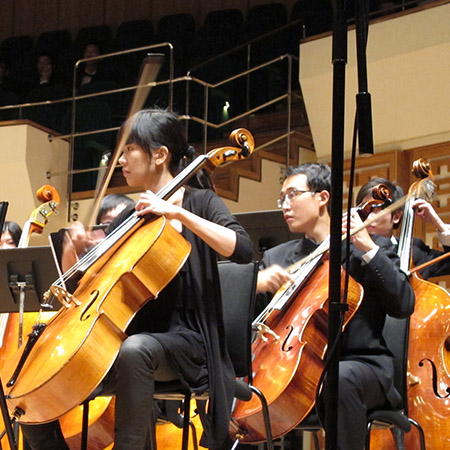
Belgium
KU Leuven [BE]
EngineeringEnglish-mediumResearch strong

Programme: Bachelor of Engineering Technology (Computer Science track later in the route)

Study length: 3 years (6 semesters)

Application facts

Degree awarded: Bachelor of Engineering Technology.

Intake: Autumn intake only.

Start timing: Starts in September.

Application window: Non-EEA read: about November 1 to March 1.

Entry qualification: Upper-secondary school-leaving qualification that allows university entry.

Language requirement: English: IELTS 6.5 with no band below 6.0, or equivalent TOEFL / CAE / CPE proof.

Academic requirement: Strong mathematics preparation is important.

Extra notes: SAT is not required but is treated as an advantage in the consultant sheet.

Study next: Clear route into master's study at KU Leuven or other top EU institutions.

Planning budget: €54,300 to €66,300 total before scholarship
USD reference (ECB March 24, 2026): about $62,800 to $76,700.

Cost with scholarship: €54,300 to €66,300
USD reference (ECB March 24, 2026): about $62,800 to $76,700.

General ranking: QS World University Rankings consultant sheet: 60

AI / technology proxy: THE World University Rankings consultant sheet: 46

Robotics signal: No explicit robotics in the listed programme.

Campus / city vibe: Group T Leuven Campus feels more urban and integrated into Leuven than like a sealed-off residential campus. The city's student atmosphere is part of the value.

Student life: Leuven is one of the best student-city environments in Europe, and Group T adds an international engineering layer rather than a quiet commuter feel.

Libraries / study spaces: The university-wide library system is a real asset. The study setup is broad, flexible, and distributed across a city built around students rather than concentrated in one iconic building.

Study style: Engineering-led, structured, and mathematically serious. This is not an AI shortcut; it is a fundamentals-first route that keeps later technical branching power.

Best fit: A strong choice for a student who wants a prestigious engineering base in English and is comfortable reaching AI later through an engineering-technology route rather than a direct AI label.

Academic / research: Research strength is one of KU Leuven's main arguments. Even at bachelor level, the institutional ceiling is much higher than the degree title alone suggests.

International openness: Very workable for international students. English-medium delivery is clear, and the campus itself openly markets a multinational student mix.

Startup / ecosystem: KU Leuven is stronger on entrepreneurship than its calm image suggests. KICK gives students a visible route into entrepreneurial training and venture experimentation.

Industry links / internships: Industry linkage is strong because Leuven sits in a dense innovation corridor and the engineering-technology route is designed to stay close to applied technical careers.

Accommodation

KU Leuven housing is structured and relatively transparent, but Leuven is competitive. The right move is to try the university-linked residence path early and keep Kotwijs or private-room options active in parallel.

University hall / standard room
KU Leuven Stuvo residence-hall room

Cost: Official 2026/27 Stuvo room prices: EUR 525 or EUR 553/month all-in, including water, electricity, and heating, with no rental deposit.

Social read: High. Residence halls are one of the easiest ways to enter Leuven's student culture without rebuilding everything from zero.

Application: Yes. Apply through KU Leuven residence management; Stuvo manages around 3,000 rooms, including a pool reserved for international students, but supply is still limited.

Timing: Apply early. Leuven's housing search is much easier in spring than in a late-summer rush.

Procedure: Apply as soon as the portal opens, stay flexible on exact residence, and value the 10-month all-in contract instead of waiting for one perfect building.

Private room / kot
Room on the Leuven private market

Cost: Official KU Leuven guidance for Leuven puts private-market rooms at about EUR 490-730/month including costs in the recent planning view.

Social read: Medium to high if you choose a student-heavy kot or residence hall; lower if you land a quieter private house.

Application: Yes. Use Kotwijs or other approved housing channels and expect direct contact with the landlord or provider.

Timing: Peak listing season runs in spring, so this should not be left until arrival month if Leuven is a serious option.

Procedure: Prioritize Kotwijs-listed housing, check what is included in the monthly price, and confirm lease length before committing.

Studio / apartment
KU Leuven studio or small apartment

Cost: Official 2026/27 Stuvo prices: studios at EUR 718-854/month all-in and apartments at EUR 854-1,295/month all-in, with a deposit required.

Social read: Low to medium. Better for privacy than for quick integration into student life.

Application: Yes. Direct application through KU Leuven housing or the private market.

Timing: Use this if privacy is important or if room stock dries up. It should not be the first affordability assumption.

Procedure: Check deposit size, 12-month contract length, and whether a studio is actually worth the extra cost over a well-run room in a residence hall.

Official programme page ↗

Finland
Tampere University [FI]
Computing routeBachelor entryAI-adjacent
Photo Album

Programme: Computing and Electrical Engineering, Science and Engineering

Study length: 3 years (6 semesters)

Application facts

Competition read: Medium to high.

Degree awarded: Bachelor's entry route with a clear onward path into master's study.

Intake: Autumn intake only.

Start timing: Starts in August to September.

Application window: January 7 to January 21 in the current joint-application read.

Entry qualification: Upper-secondary qualification plus SAT or IB pathway.

Language requirement: IELTS about 6.5.

Extra notes: SAT is explicitly called out in the consultant sheet.

Study next: Smooth onward path into master's study at Tampere.

Planning budget: €67,500 to €78,000 total before scholarship
USD reference (ECB March 24, 2026): about $78,100 to $90,300.

Cost with scholarship: €52,500 to €63,000
USD reference (ECB March 24, 2026): about $60,800 to $72,900.

Scholarship read: Shown with Tampere's published 50% tuition scholarship, not a full waiver.

General ranking: THE World University Rankings 2026: 301-350

AI / technology proxy: THE Computer Science 2026: 251-300

Robotics signal: No explicit robotics in the listed programme.

Campus / city vibe: Tampere feels more like a true student city than a prestige stage. The atmosphere is active, practical, and easy to picture over several years.

Student life: Association-rich and socially visible. It may be easier than Aalto for a student who wants community to show up more clearly in daily life.

Libraries / study spaces: Each campus has library infrastructure, and the broader study environment includes spaces like FabLab and OASIS alongside ordinary reading rooms.

Study style: Low-hierarchy and flexible. Expect active learning, practical engineering rhythm, and a lot of self-managed planning without too much prestige theatre.

Best fit: Good for a student who wants Finland's quality-of-life case and a flexible computing route without requiring the degree title itself to say AI.

Academic / research: Research access is solid, but this feels more like a clean engineering launchpad than a prestige-signalling AI brand.

International openness: Internationally comfortable and structurally easier than Austria or Germany for an English-medium student at entry level.

Startup / ecosystem: Tampere has credible builder energy through the university's innovation services and applied-engineering culture, even if it feels more practical and regional than iconic.

Industry links / internships: Company contact is one of Tampere's better features: the university explicitly markets project work, theses, internships, and guest-speaker access through student collaboration channels.

Accommodation

Tampere is one of the cleaner housing systems in the shortlist because the TOAS process is explicit. The main trade-off is simple: shared rooms come faster, studios take much longer.

Student housing / shared room
TOAS shared apartment or furnished newcomer room

Cost: Official reference property: shared-apartment rooms at EUR 368-388/month and studios at EUR 520-598/month. Treat that as the practical TOAS student-housing band.

Social read: High for shared apartments and furnished newcomer rooms. This is the best landing option if you want people around you from the start.

Application: Yes. For Autumn 2026, the furnished-room application opens on May 5, 2026 at 09:00 after you have been accepted by a Tampere institution.

Timing: May is the key moment for the furnished autumn route. If you miss it, switch fast to the regular application and accept that studios are much slower.

Procedure: Read the furnished-application instructions first, then apply. The furnished academic-year contracts run from August 1 to May 31.

Student housing / unfurnished regular route
TOAS regular application for shared room or studio

Cost: Use the same general TOAS band as above, but remember that the studio route is the slow one. The real cost difference is not as important as the wait-time difference.

Social read: Medium to high in a shared apartment, low to medium in a studio.

Application: Yes. This application can only be submitted after you have received the acceptance to study in Tampere.

Timing: Shared rooms are the easiest and fastest to get; unfurnished studios have an official waiting time of at least 6 months or more.

Procedure: Submit the regular application only if you can handle an unfurnished contract and understand that a studio is not a fast fallback.

Private rental / outside the student-housing system
Private WG room or studio in Tampere

Cost: Working estimate: about EUR 350-500/month for a room in a shared flat, or roughly EUR 650-900/month for a solo studio. This is a planning estimate, not a single official tariff.

Social read: Medium in a WG, low in a solo studio.

Application: Yes. Direct landlord or portal process, often with deposit and quicker decision-making than the student-housing route.

Timing: Keep this as a backup from the beginning if you are determined to arrive in autumn and cannot wait out the TOAS studio queue.

Procedure: Check whether furniture is included, confirm total utilities, and keep commute time to Hervanta or the city campuses visible in the decision.

Travel / cultural range: Tampere is strong for compact city-plus-nature escapes. It is easy to imagine sauna, lakes, and short rail trips fitting around studies without turning travel into a major operation.

Small-trip ideas: Helsinki (capital-city culture in one easy rail move); Turku (historic river city and different Finnish texture); Seitseminen (forest and lake break close enough for a light weekend)

Good travel windows: The academic calendar creates several clean short-trip windows: no contact teaching on 12 to 18 October 2026, 7 to 20 December 2026, and 1 to 7 March 2027, plus Easter on 24 to 30 March 2027 and the longer summer stretch after the May examination weeks.

Maps: Base city: Tampere · Helsinki · Turku · Seitseminen

Official programme page ↗

France
École Polytechnique [FR]
Elite bachelorEnglishMath-heavy
Photo Album

Programme: Bachelor track in Mathematics and Computer Science

Study length: 3 years (6 semesters)

Application facts

Competition read: Extremely high.

Degree awarded: Bachelor of Science.

Intake: Autumn intake only.

Start timing: Starts in September.

Application window: Round 1: September 8 to October 30. Round 2: October 31 to January 5. Round 3: January 6 to February 9.

Entry qualification: IB, A-level, or equivalent qualification.

Language requirement: IELTS or TOEFL around C1.

Academic requirement: Mathematics and science grades need to be exceptionally strong.

Study next: Strong springboard into top US postgraduate study.

Planning budget: €90,000 to €108,000 total before scholarship
USD reference (ECB March 24, 2026): about $104,100 to $125,000.

Cost with scholarship: €32,400 to €50,400
USD reference (ECB March 24, 2026): about $37,500 to $58,300.

Scholarship read: Shown with tuition waived, but the annual administration fee still remains due.

General ranking: QS World University Rankings 2025 (Institut Polytechnique de Paris umbrella): 46

AI / technology proxy: QS Computer Science & Information Systems 2025 (Institut Polytechnique de Paris umbrella): 36

Robotics signal: Not explicit in the listed bachelor, but robotics appears in the broader computing / AI ecosystem.

Ranking note: Public rankings often publish this school under the Institut Polytechnique de Paris umbrella rather than as a clean standalone Ecole Polytechnique line.

Campus / city vibe: This feels like a contained, residential, elite campus with very strong internal identity rather than a city-distributed student life.

Student life: Close-knit, high-pressure, and community-rich. Housing, sports, clubs, and traditions make campus life unusually central.

Libraries / study spaces: The library is part of an integrated campus environment where study, housing, and extracurricular life sit close together.

Study style: Intense and structured. Expect broad scientific foundations first, then specialisation, plus research project and internship requirements.

Best fit: Best only if the student can tolerate a math-heavier launchpad in exchange for long-term optionality into advanced computing, applied AI systems, research, or top-end graduate study.

Academic / research: Research power is extremely strong. The tradeoff is that this is not a direct AI-labelled bachelor and should not be mistaken for the most practical first-step route in the shortlist.

International openness: Internationally open at the bachelor level, but still culturally demanding. The student needs to be ready for a highly selective environment.

Startup / ecosystem: Paris-Saclay plus the Drahi X-Novation Center pushes this much closer to a real deep-tech startup hub than the older note suggested.

Industry links / internships: Industry linkage is exceptionally strong because internships are built into the bachelor logic and Polytechnique openly recruits interns into company projects and applied research settings.

Accommodation

Polytechnique is the cleanest France housing story because the on-campus bachelor room is guaranteed. The decision is less 'Can I get a room?' and more 'Do I stay inside the residential system or opt out into the Paris-Saclay market?'

Guaranteed on-campus room
Bachelor single room on campus

Cost: Official price: EUR 606/month, additional to tuition. New Bachelor entrants are guaranteed housing, with an 18 m2 furnished single room, private bathroom, internet, and a shared kitchen.

Social read: Very high. This is one of the strongest built-in student communities in the shortlist because housing, sport, clubs, and campus life all stack together.

Application: Yes, but not as a separate competitive housing lottery for new Bachelor entrants; it is part of the arrival setup for the programme.

Timing: Handle it as part of post-admission onboarding. There is no reason to gamble on the private market first unless you actively want to live off campus.

Procedure: Follow the Bachelor arrival instructions, confirm the housing setup, and budget the monthly room charge separately from tuition.

Off-campus student residence
CROUS or student-residence room in the Saclay / Orsay area

Cost: Working estimate: roughly EUR 450-700/month if you land subsidised or student-residence stock near the RER and the Saclay cluster.

Social read: Medium. You still get student-only living, but less of the closed-campus intensity that Polytechnique offers.

Application: Yes. This is a separate housing search and should not be confused with the guaranteed on-campus Bachelor room.

Timing: Only start this route early if you are intentionally opting out of the guaranteed room or planning for a later housing change.

Procedure: Search university-residence and CROUS channels, then line up transport and housing-aid paperwork before signing.

Private shared flat / studio
Solo or shared rental in Paris-Saclay or along RER B

Cost: Working estimate: around EUR 650-950/month for a room in a shared flat, or roughly EUR 900-1300/month for a private studio.

Social read: Medium in a shared flat, low in a private studio. Both weaken the natural campus social flow compared with living inside Poly's residential system.

Application: Yes. Direct landlord or agency process, usually with deposit and guarantor paperwork.

Timing: Use this only if you have a strong reason not to take the guaranteed room, because the campus option is both cleaner and socially stronger.

Procedure: Check commute times carefully; a cheap-looking rent is much less attractive if it breaks the residential rhythm of the programme.

Travel / cultural range: Residential campus life means travel should stay deliberate: Paris for culture on free days, then a few structured weekend trips once assignments are under control. The bachelor student organization explicitly includes student trips in campus life.

Small-trip ideas: Paris (museum and neighborhood depth without losing campus structure); Versailles (nearby royal-history day trip); Fontainebleau (castle plus forest for a calmer reset)

Good travel windows: Because the public bachelor pages do not expose a clean 2026-27 break calendar, plan around normal weekends, Christmas or New Year, and the summer block after assessments rather than assuming frequent reading weeks.

Maps: Base city: Polytechnique / Palaiseau · Paris · Versailles · Fontainebleau

Official programme page ↗

Group 04

Netherlands additions / international-fee self lane

This is the cleanest expansion set because the Netherlands still offers several real English-medium bachelor routes in AI, data, and computing. But it is still a self-managed international-fee lane with materially higher tuition than the Germany / Austria base, so treat it as added coverage rather than the affordability anchor.

Netherlands
University of Groningen [NL]
Direct AI degreeEnglishStudent city

Programme: B.Sc. Artificial Intelligence

Study length: 3 years (6 semesters)

Planning budget: €100,500 to €109,500 total before scholarship
USD reference (ECB March 24, 2026): about $116,300 to $126,700.

Cost with scholarship: €100,500 to €109,500
USD reference (ECB March 24, 2026): about $116,300 to $126,700.

General ranking: THE World University Rankings 2026: 82

AI / technology proxy: THE Computer Science 2026: 101-125

Robotics signal: Robotics-adjacent through autonomy systems, control, sensing, and applied engineering.

Campus / city vibe: Groningen feels student-led before it feels elite. The city itself is part of the academic experience, not just the place around it.

Student life: Lively and sustainable over several years. This is one of the easier Dutch places to imagine for everyday rhythm, bikes, classmates, and manageable city scale.

Libraries / study spaces: Serious enough for long self-study hours, but the wider student-city study culture matters as much as one iconic library building.

Study style: Broad and interdisciplinary. The programme moves across machine learning, robotics, language, neuroscience, and cognition rather than locking the student into one narrow AI read.

Best fit: A strong option for a student who wants a direct English-medium AI degree without losing the feel of a real student city.

Academic / research: Research credibility is real because the route sits inside a broader AI and mathematics / computer-science environment rather than a marketing-only AI label.

International openness: Very workable for international students, with a genuinely English-medium route and a city used to international cohorts.

Startup / ecosystem: Groningen is not a loud founder brand like Aalto or KTH, but the university offers a more serious entrepreneurship pipeline than the old short note suggested.

Industry links / internships: Career Services and startup-support channels give Groningen real bridges to employers, applied innovation, and product-minded project work even if the bachelor stays research-led.

Official programme page ↗

Netherlands
Radboud University [NL]
Direct AI degreeEnglishResearch strong

Programme: B.Sc. Artificial Intelligence

Study length: 3 years (6 semesters)

Planning budget: €91,500 to €100,500 total before scholarship
USD reference (ECB March 24, 2026): about $105,900 to $116,300.

Cost with scholarship: €91,500 to €100,500
USD reference (ECB March 24, 2026): about $105,900 to $116,300.

General ranking: THE World University Rankings 2026: =154

AI / technology proxy: THE Computer Science 2026: 176-200

Robotics signal: Robotics-adjacent through autonomy systems, control, sensing, and applied engineering.

Campus / city vibe: Radboud feels green, contained, and easier to navigate than a heavily distributed urban system.

Student life: Student life is less spectacle-driven and more campus-and-city routine. Good for a student who values consistency over hype.

Libraries / study spaces: The study environment looks calm and serious, which fits the programme's logic-heavy and research-aware identity.

Study style: Analytical and structured, with visible links between programming, logic, psychology, and robotics rather than a pure software-only AI track.

Best fit: Best for a student who wants a direct AI bachelor's in English with a more human-scale campus than Amsterdam or a giant metro system.

Academic / research: Research strength is one of the reasons this route is worth keeping. It reads more serious than the price tag alone would justify.

International openness: Less internationally branded than Maastricht, but still credible and workable for English-medium entry.

Startup / ecosystem: Radboud is more startup-capable than startup-flashy: Mercator Launch and the university's valorisation layer make the founder support more concrete than the old wording suggested.

Industry links / internships: The AI route also gets a practical employer read through MKB Datalab Oost and company-linked internship or project options, so the bridge to industry is stronger than a purely academic label would imply.

Official programme page ↗

Netherlands
University of Twente [NL]
Computing routeEnglishAI-adjacent

Programme: B.Sc. Technical Computer Science

Study length: 3 years (6 semesters)

Planning budget: €90,000 to €96,000 total before scholarship
USD reference (ECB March 24, 2026): about $104,100 to $111,100.

Cost with scholarship: €90,000 to €96,000
USD reference (ECB March 24, 2026): about $104,100 to $111,100.

General ranking: THE World University Rankings 2026: =190

AI / technology proxy: THE Computer Science 2026: 151-175

Robotics signal: Robotics-adjacent through autonomy systems, control, sensing, and applied engineering.

Campus / city vibe: Twente feels more like a real integrated campus than most of the Dutch options. That gives it a cleaner engineering-university identity.

Student life: More campus-centred and builder-friendly than Amsterdam-style city dispersion. It is easier to imagine living and studying inside one coherent technical environment.

Libraries / study spaces: Study life is less about one prestige library and more about campus infrastructure that supports sustained engineering work.

Study style: Project-based and technical. It is not a pure AI label, but it is strong for algorithms, systems, and the kind of foundations that make later AI specialization believable.

Best fit: A strong option for a student who wants technical computing, systems, and project momentum as the route into later AI work.

Academic / research: Research access is credible and technically grounded, especially for a student who wants engineering depth rather than soft AI branding.

International openness: Good English-medium access, though the city is quieter and less obviously international than Amsterdam or Maastricht.

Startup / ecosystem: Twente deserves to rank higher on startup spirit: the university openly markets startup support and carries one of the clearest builder identities in the Dutch set.

Industry links / internships: Company contact is also strong through Twente's internship and talent-matching channels, though the route itself stays broader computing first rather than pure AI.

Official programme page ↗

Netherlands
Maastricht University [NL]
Data ScienceEnglishPBL

Programme: B.Sc. Data Science and Artificial Intelligence

Study length: 3 years (6 semesters)

Planning budget: €96,000 to €103,500 total before scholarship
USD reference (ECB March 24, 2026): about $111,100 to $119,800.

Cost with scholarship: €96,000 to €103,500
USD reference (ECB March 24, 2026): about $111,100 to $119,800.

General ranking: THE World University Rankings 2026: =131

AI / technology proxy: THE Computer Science 2026: 401-500

Robotics signal: No explicit robotics in the listed programme.

Campus / city vibe: Maastricht is more city-campus than closed campus. The atmosphere feels compact, international, and conversation-heavy.

Student life: Visible and internationally mixed, but more adult and discussion-based than hall-life driven.

Libraries / study spaces: Study spaces matter here, but the bigger differentiator is the programme structure: small groups, preparation, and constant participation.

Study style: Problem-Based Learning shapes the whole experience. Expect tutorials, preparation before class, discussion, and a lot of responsibility for turning reading into active participation.

Best fit: Good for a student who wants data science plus AI inside a small-group teaching culture and does not need the degree title itself to say pure AI.

Academic / research: This is not the most robotics-heavy route, but it is a credible data-and-decision pathway with enough AI substance to stay relevant.

International openness: One of the strongest international classroom environments in the Dutch set. That matters if the student wants a globally mixed peer group.

Startup / ecosystem: Maastricht is still not the most explosive startup brand, but Brightlands and the university's business-partner network make the ecosystem more tangible than the old note suggested.

Industry links / internships: Industry linkage is strong for a Dutch city of this size because DSAI sits close to business-facing projects, internships, workshops, and the Brightlands smart-services environment.

Official programme page ↗
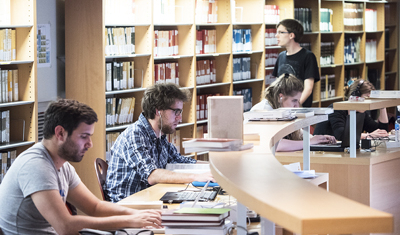
Group 05

Sweden additions / international-fee self lane

Sweden is a narrower expansion set. The technical brand quality is high, but it is still a self-managed international-fee lane, the bachelor's menu is much thinner than in the Netherlands, and the cost still needs to be taken seriously.

Sweden
KTH Royal Institute of Technology [SE]
EngineeringEnglishTech hub

Programme: B.Sc. Information and Communication Technology

Study length: 3 years (6 semesters)

Planning budget: SEK 780,000 to SEK 960,000 total before scholarship

Cost with scholarship: SEK 780,000 to SEK 960,000

General ranking: THE World University Rankings 2026: =98

AI / technology proxy: THE Computer Science 2026: 66

Robotics signal: Robotics-adjacent through autonomy systems, control, sensing, and applied engineering.

Campus / city vibe: KTH feels like a serious urban technical institution rather than a soft landing. The Stockholm setting increases both the upside and the pressure.

Student life: Student life is strong when the student plugs into chapters, projects, and technical communities. It is not passive; initiative matters.

Libraries / study spaces: The study environment supports long technical work sessions, but the bigger story is KTH's overall engineering ecosystem and access to Stockholm.

Study style: Engineering-led, project-aware, and not overly protective. The route is broader than AI, which is exactly why it works as a Swedish add-on rather than as the main AI-labeled route.

Best fit: The clearest Sweden option if the student wants technical prestige, Stockholm access, and a real English-medium bachelor's at this level.

Academic / research: Research exposure is one of the main reasons to keep KTH visible. The institution's technical standing is much stronger than the bachelor's label alone suggests.

International openness: Excellent by Sweden standards at this level, because there are so few English-medium technical bachelor's options of comparable strength.

Startup / ecosystem: KTH stays in the top startup tier because KTH Innovation and Stockholm's product ecosystem make founder ambition feel normal rather than unusual.

Industry links / internships: Industry exposure is strong but slightly less scripted than at HKUST: KTH gives students innovation coaching and employer networking, then expects them to use Stockholm well.

Official programme page ↗

Sweden
Uppsala University [SE]
ProgrammingEnglishSelective

Programme: B.A. in Game Design and Programming

Study length: 3 years (6 semesters)

Planning budget: SEK 720,000 to SEK 900,000 total before scholarship

Cost with scholarship: SEK 720,000 to SEK 900,000

General ranking: THE World University Rankings 2026: 128

AI / technology proxy: THE Computer Science 2026: 251-300

Robotics signal: No explicit robotics in the listed programme.

Campus / city vibe: This route is really a Campus Gotland / Visby experience, which makes it more intimate and more specific than a typical big-city technical programme.

Student life: Project teams and a close cohort matter more than large-scale prestige atmosphere. The social logic is built around making things together.

Libraries / study spaces: Study culture here is tied closely to production work, team feedback, and iterative project building rather than only quiet theory spaces.

Study style: Hands-on and collaborative, with strong programming and game-development components. It is useful if the student's expansion strategy includes broader technical routes, not only AI-labeled ones.

Best fit: A niche but still useful route for a student who wants programming-heavy study in English and is open to a game-technology angle rather than a literal AI label.

Academic / research: Research status is less central here than in KTH or Groningen, but the route still develops real technical practice and portfolio-building potential.

International openness: Clearly international and English-medium, but also more niche. That means fit matters more than brand theatre.

Startup / ecosystem: This should be read as creative-tech and indie-production startup energy rather than a classic AI founder scene, but Game Hub gives that niche a real ecosystem.

Industry links / internships: For internships, talks, and company contact, Uppsala is niche but credible: the Game Design environment works close to studio, investor, and speaker networks rather than generic corporate recruiting.

Official programme page ↗

Study City Map

These are the real living bases in the shortlist. Use the destination links in each profile for nearby culture, nature, and short-break planning.

Paris / Palaiseau PSL / Ecole Polytechnique Passau University of Passau Erlangen FAU Linz JKU Linz Klagenfurt University of Klagenfurt Espoo Aalto University Tampere Tampere University Hong Kong HKUST / CUHK Groningen UG AI Nijmegen Radboud Enschede Twente Maastricht Maastricht Stockholm KTH Visby Uppsala / Gotland
City pins Mesh links OpenStreetMap base Map data © OpenStreetMap contributors
Austria
Linz / Klagenfurt / Vienna

DACH bridge

Finland
Espoo / Tampere

Nordic tech

France
Paris / Palaiseau

Research prestige

Belgium
Geel / Leuven

Benelux funding

Vietnam
Hanoi (Ocean Park)

Domestic high-aid

Hong Kong
Hung Hom / Hong Kong

Asia launchpad

Germany
Passau / Erlangen / Nuremberg / Munich

Industrial scale

Netherlands
Groningen / Nijmegen / Maastricht / Enschede

English-heavy gateway

Sweden
Stockholm / Visby / Uppsala

Nordic stretch

Source Notes

Programme, ranking, published academic-calendar, published tuition-fee and scholarship-mechanic facts, and published housing-process facts are tied to official university, admissions, housing-operator, or ranking pages. Album images are embedded from official university pages. Campus vibe, student-life, library, travel-fit, destination picks, ecosystem, and some private-rental cost ranges remain editorial inference; where a school does not publish exact break dates or a clean live private-housing tariff, the travel windows and private-rental lines should be read as planning guidance rather than guarantees.

Reference Open
VinUniversity Computer Science Open source ↗
VinUniversity undergraduate admissions welcome Open source ↗
VinUniversity 2026 undergraduate admissions plan Open source ↗
VinUniversity application process Open source ↗
VinUniversity application checklist Open source ↗
VinUniversity transfer students route Open source ↗
VinUniversity international students route Open source ↗
JKU Linz AI bachelor Open source ↗
University of Klagenfurt Robotics and AI Open source ↗
Aalto Data Science Open source ↗
Tampere Science and Engineering route Open source ↗
PSL International Bachelor of Science in AI Open source ↗
PSL AI bachelor fee grid 2026/27 Open source ↗
École Polytechnique mathematics and computer science track Open source ↗
HKUST AI undergraduate page Open source ↗
CUHK AISTN page Open source ↗
University of Passau B.Sc. Artificial Intelligence Open source ↗
FAU Autonomy Technologies Open source ↗
University of Vienna computer science bachelor Open source ↗
PolyU computing undergraduate programme Open source ↗
TUM informatics bachelor Open source ↗
KU Leuven bachelor of engineering technology Open source ↗
University of Groningen AI bachelor Open source ↗
Radboud University AI bachelor Open source ↗
Maastricht Data Science and AI Open source ↗
University of Twente Technical Computer Science Open source ↗
KTH bachelor's studies overview Open source ↗
Uppsala Game Design and Programming Open source ↗
Thomas More Applied Computer Science Open source ↗
Thomas More application procedure for degree students Open source ↗
Reference Open
VinUniversity undergraduate tuition fees 2025/26 Open source ↗
VinUniversity scholarship programme 2026/27 Open source ↗
VinUniversity undergraduate scholarships Open source ↗
VinUniversity undergraduate financial aid Open source ↗
VinUniversity tuition, scholarship, and aid FAQ Open source ↗
VinUniversity financial calculator Open source ↗
VinUniversity non-academic fees Open source ↗
Study in Austria tuition-fee overview Open source ↗
OeAD scholarships overview Open source ↗
Aalto scholarships and tuition fees Open source ↗
Aalto tuition-fee page Open source ↗
Tampere tuition fees and scholarships Open source ↗
Tampere scholarship acceptance guide Open source ↗
PSL AI bachelor fee grid 2026/27 Open source ↗
École Polytechnique tuition fees Open source ↗
École Polytechnique scholarships and financial aid Open source ↗
HKUST fees and scholarships Open source ↗
HKUST admissions scholarships Open source ↗
HKUST Global Learners Scholarship Open source ↗
HKUST scholarship for other qualifications holders Open source ↗
CUHK fees overview Open source ↗
CUHK fees calculator Open source ↗
CUHK admission scholarships Open source ↗
Thomas More tuition and finances Open source ↗
VLIRUOS bachelor of Applied Computer Science scholarship lane Open source ↗
VLIRUOS study scholarships overview Open source ↗
VLIRUOS ICP Connect eligible-country list Open source ↗
University of Passau semester contribution notice Open source ↗
University of Passau scholarship opportunities Open source ↗
FAU semester fee notice Open source ↗
Study in NL: financing your studies Open source ↗
Maastricht tuition-fees page Open source ↗
Radboud AI year-one curriculum Open source ↗
Twente admissions requirements Open source ↗
KTH ICT entry requirements Open source ↗
Uppsala programme outline Open source ↗
Reference Open
VinUniversity residence-life FAQ Open source ↗
VinUniversity housing cost via financial calculator Open source ↗
VinUniversity dormitory fee references Open source ↗
University of Passau housing advice Open source ↗
Passau student residence at Maierhofstrasse Open source ↗
JKU accommodation benchmark for campus-near dorms Open source ↗
STUWO Linz student residence Open source ↗
OeH JKU housing board example listing Open source ↗
AAU accommodation overview Open source ↗
home4students Klagenfurt dorm Open source ↗
Aalto housing for students Open source ↗
TOAS application routes Open source ↗
TOAS rent example at Ninansampo Open source ↗
POAS student housing Open source ↗
PSL Welcome Desk housing checklist Open source ↗
Ecole Polytechnique bachelor housing Open source ↗
CROUS Saclay / Orsay residence example Open source ↗
CUHK accommodation guide for international undergraduates Open source ↗
HKUST hall application for new non-local undergraduates Open source ↗
HKUST off-campus housing via HKAC Open source ↗
Study in Hong Kong living-expense guidance Open source ↗
OeAD student housing in Vienna Open source ↗
STUWO Vienna dorm pricing example Open source ↗
TUM accommodation guidance Open source ↗
Munich Student Union residence rent and waiting-period list Open source ↗
KU Leuven residence halls Open source ↗
KU Leuven Stuvo room prices Open source ↗
KU Leuven private student housing in Leuven Open source ↗
PolyU hall applications for non-local undergraduates Open source ↗
PolyU hall fees Open source ↗
PolyU university-managed accommodations Open source ↗
FAU housing guide for international students Open source ↗
FDA student residence in Erlangen Open source ↗
Reference Open
VinUniversity about page Open source ↗
VinUniversity research-university update Open source ↗
JKU Linz THE rankings Open source ↗
University of Klagenfurt THE rankings Open source ↗
Aalto THE rankings Open source ↗
Tampere THE rankings Open source ↗
PSL THE rankings Open source ↗
Institut Polytechnique de Paris rankings hub Open source ↗
HKUST THE rankings Open source ↗
CUHK THE rankings Open source ↗
University of Passau THE rankings Open source ↗
FAU THE rankings Open source ↗
University of Groningen THE rankings Open source ↗
Radboud University THE rankings Open source ↗
Maastricht University THE rankings Open source ↗
University of Twente THE rankings Open source ↗
KTH THE rankings Open source ↗
Uppsala University rankings overview Open source ↗
Reference Open
VinUniversity CECS overview Open source ↗
VinUniversity career prospects FAQ Open source ↗
VinUniversity CECS UROP FAQ Open source ↗
JKU LIT Open Innovation Center Open source ↗
JKU jobs and internships Open source ↗
University of Klagenfurt aspire hub Open source ↗
University of Klagenfurt internship page Open source ↗
Aalto Startup Center Open source ↗
Aalto Career Design Lab Open source ↗
Tampere innovation services Open source ↗
Tampere student collaboration with companies Open source ↗
PSL innovation and entrepreneurship Open source ↗
Ecole Polytechnique Drahi X-Novation Center Open source ↗
Ecole Polytechnique recruit interns Open source ↗
HKUST Entrepreneurship Center Open source ↗
HKUST Industry Engagement and Internship Open source ↗
CUHK InnoPort support and opportunities Open source ↗
CUHK AISTN programme page Open source ↗
University of Passau CV and career page Open source ↗
University of Passau careersUP Open source ↗
FAU entrepreneurship Open source ↗
University of Vienna entrepreneurship Open source ↗
University of Vienna transfer and innovation Open source ↗
TUM innovation and entrepreneurship Open source ↗
KU Leuven entrepreneurship Open source ↗
PolyU entrepreneurship support Open source ↗
University of Groningen startup support Open source ↗
Radboud The Launch Open source ↗
Radboud MKB Datalab Oost Open source ↗
Maastricht Brightlands / BISS Open source ↗
Maastricht SBE business partners Open source ↗
University of Twente startup support Open source ↗
University of Twente internship information for companies Open source ↗
KTH Innovation Open source ↗
Uppsala Gotland Game Hub Open source ↗
Thomas More entrepreneurship Open source ↗
Thomas More offering internships Open source ↗
Reference Open
VinUniversity admissions overview Open source ↗
VinUniversity academics FAQ Open source ↗
VinUniversity faculty and students FAQ Open source ↗
VinUniversity integrated-degree partnership with Penn Engineering Open source ↗
HKUST undergraduate AI admissions page Open source ↗
CUHK InnoHK centres and innovation context Open source ↗
University of Passau launch note for the AI bachelor's degree Open source ↗
PSL first academic year note for the Paris School of AI Open source ↗
University of Passau entrepreneurship programme note Open source ↗
Aalto bachelor admissions page Open source ↗
University of Vienna computer science research Open source ↗
TUM campus life Open source ↗
KU Leuven Group T student life Open source ↗
KU Leuven living campus Open source ↗
KU Leuven campus of Leuven Open source ↗
PolyU campus life Open source ↗
Thomas More Applied Computer Science programme page Open source ↗
HKUST international admissions dates Open source ↗
CUHK international admissions dates Open source ↗
Passau international application page Open source ↗
FAU international undergraduate admissions page Open source ↗
VLIRUOS bachelor route page Open source ↗
Reference Open
JKU dates and deadlines Open source ↗
University of Klagenfurt term dates and deadlines Open source ↗
Aalto academic calendar Open source ↗
Tampere academic calendar Open source ↗
HKUST academic matters and term structure Open source ↗
HKUST calendar dates 2026/27 provisional Open source ↗
CUHK tentative term dates Open source ↗
University of Passau term dates Open source ↗
FAU semester-start guidance Open source ↗
Linz Tourism Open source ↗
Visit Klagenfurt Open source ↗
Visit Espoo Open source ↗
Visit Tampere Open source ↗
Paris museums Open source ↗
Destination Paris-Saclay Open source ↗
Ecole Polytechnique student organizations Open source ↗
Hong Kong city and nature overview Open source ↗
Hong Kong island hopping guide Open source ↗
Passau Tourism Open source ↗
Visit Erlangen Open source ↗
Nuremberg tourism Open source ↗
Reference Open
VinUniversity undergraduate admissions welcome Open source ↗
VinUniversity about and campus Open source ↗
VinUniversity residence-life FAQ Open source ↗
JKU Linz AI bachelor page Open source ↗
JKU student life Open source ↗
University of Klagenfurt student life Open source ↗
University of Klagenfurt library Open source ↗
Aalto student life Open source ↗
Aalto Learning Centre Open source ↗
VinUniversity library spaces Open source ↗
Tampere student life Open source ↗
PSL campus life Open source ↗
Ecole Polytechnique about and campus Open source ↗
Ecole Polytechnique student organizations Open source ↗
University of Vienna studying on site Open source ↗
University of Vienna library Open source ↗
Thomas More student life Open source ↗
Thomas More study in Geel Open source ↗
TUM campus life Open source ↗
TUM library as a learning place Open source ↗
KU Leuven Group T student page Open source ↗
KU Leuven libraries Open source ↗
PolyU campus life Open source ↗
PolyU quiet and group study spaces Open source ↗
PolyU 24-hour study centre Open source ↗
HKUST student life Open source ↗
CUHK students overview Open source ↗
University of Passau campus life Open source ↗
University of Passau library Open source ↗
FAU student life Open source ↗
Reference Open
ECB USD/EUR daily reference rate for March 24, 2026 Open source ↗
ECB HKD/EUR daily reference rate for March 24, 2026 Open source ↗